There’s a reason so many people feel like their bodies are “off” lately. Not just tired. Not just moody. But… unrecognizable. Sleep gets weird. Weight shifts without permission. Periods go rogue. Anxiety shows up uninvited. Skin changes. Energy crashes at 2 p.m. And then we’re told it’s normal. Or aging. Or stress. Or “just hormones.”
Yes, it is hormones. But the part nobody wants to talk about is why so many of our hormones are struggling in the first place.
Because your endocrine system isn’t living in a clean, protected bubble. It’s trying to do delicate, precision work while being poked, prodded, and interrupted by hormone-disrupting chemicals hiding in everyday life.
What are endocrine disruptors, really?
Let’s make this simple. Endocrine disruptors (also called endocrine-disrupting chemicals, or EDCs) are substances that can mimic hormones, block hormones, or interfere with how hormones send messages. And since hormones are basically your body’s internal text-message system, disruption creates confusion fast.
This matters because hormones don’t just control reproduction. They influence thyroid function, metabolism, blood sugar, mood, immune signaling, sleep rhythms, hunger cues, and stress response. When they get scrambled, your body can start acting like it’s in a constant state of “wrong settings.”
The everyday places these chemicals hide
Here’s the part that makes people sigh and say, “So what, I have to live in a tent now?”
No. But it does help to know the most common hiding spots, because some swaps are surprisingly easy.
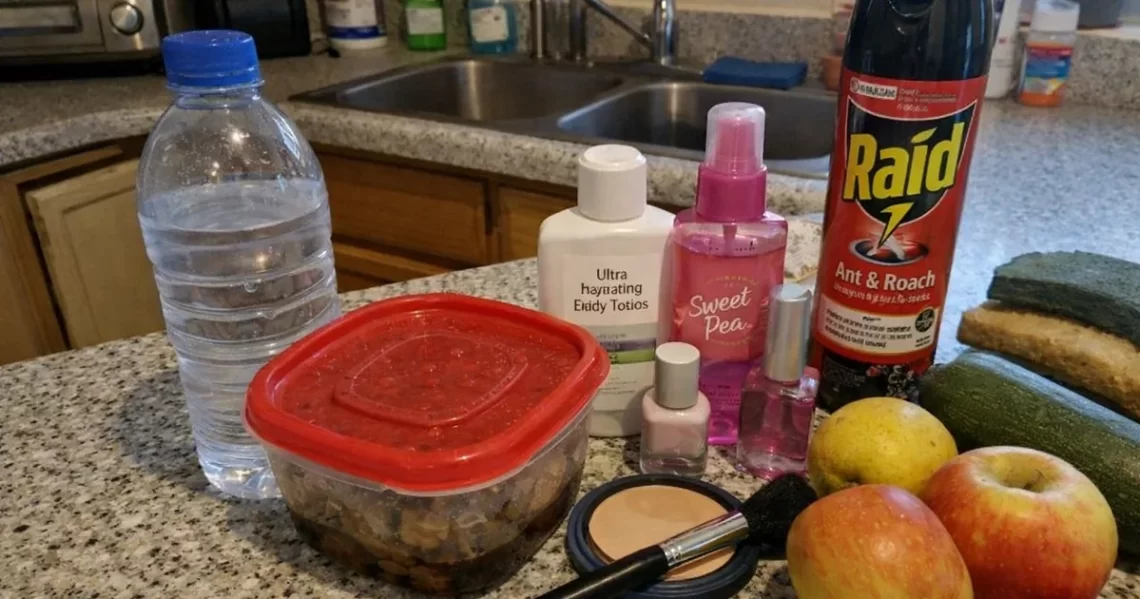
Many endocrine disruptors show up in things like plastics and food packaging, especially when plastic is heated, microwaved, or used for hot food and drinks. They show up in fragranced products, too. “Fragrance” can be a catch-all term that hides chemical blends you can’t see listed out.
They also show up in personal care and cosmetics, in pesticides and herbicides that ripple through the food supply and water systems, and even in household dust and cleaners. Not as glamorous to talk about, but dust can hold onto chemical residues from flame retardants, fragrances, and more.
And if you want a real-life example of how this shows up in what we grow and eat, take a look at what’s being talked about with contaminants cycling back through our systems in reclaimed water: https://avoiceforchange.com/water-wars/
Signs your body might be dealing with “hormone noise”
I’m not here to diagnose you through a screen. But I am here to say: if your body has been waving little flags, you deserve to pay attention.
People often report things like sleep trouble (especially waking at 2–4 a.m.), new anxiety, cycle changes, heavier PMS, tender breasts, fatigue that doesn’t match your life, migraines, stubborn weight gain, or blood sugar crashes.
Are those symptoms always endocrine disruptors? No. But can endocrine disruptors add a layer of “hormone noise” that makes everything harder? Absolutely.
How to support hormonal harmony naturally (without going extreme)
This is the part where I want you to breathe. Because you do not need to fix everything today. Hormone support works best when it’s steady, not frantic.
1) Stop heating plastic, and stop storing hot foods in it
If you do one thing this week, make it this. Heat + plastic is a messy combination. Switch to glass, stainless steel, or ceramic for hot foods and leftovers when you can.
2) Simplify your personal care routine
You don’t need 14 products to be clean. You need fewer products that don’t constantly bombard your skin with questionable ingredients. Choose fragrance-free when possible and reduce the number of products you use daily.
3) Filter your water if you’re able
Water is a daily exposure pathway. A good filter doesn’t make life perfect, but it can reduce the load your body has to deal with.
4) Clean up food choices in the most strategic way
You don’t have to be perfect. But small shifts help: fewer ultra-processed foods, fewer packaged “convenience” items, more whole foods when possible. This reduces contact with packaging chemicals and supports steadier blood sugar, which is deeply tied to hormone balance.
If you’ve never looked closely at how industrial food systems can sneak hormone-related concerns into your diet, this older post still hits hard: https://avoiceforchange.com/almost-all-american-grains-are-contaminated-with-glyphosate-herbicide-2/
5) Support the organs that process hormones
Your liver helps metabolize hormones. Your gut helps move them out. Your body needs nutrients, fiber, hydration, and regular elimination to keep hormones circulating properly instead of being reprocessed again and again.
Think: fiber-rich foods, cruciferous vegetables, protein, hydration, and gentle daily movement. Not punishment. Support.
6) Calm the stress chemistry first
This one is unpopular because it’s not a purchase.
But chronic stress changes hormone signaling. Your body can’t build harmony while it’s in emergency mode. Even ten minutes a day of quiet, walking, breathwork, prayer, sunlight, or stillness makes a difference over time.
The point is not fear. The point is power.
I’m not telling you this so you’ll panic every time you touch a receipt or walk down a cleaning aisle.
I’m telling you because the more we understand what’s interfering with our health, the harder it becomes for anyone to gaslight us into thinking we’re imagining it.
Start small. Choose one area. Make one swap. Then another. Your body is always listening to the environment you create for it.
With love and truth,
—Donna 💚
Sources & Further Reading
Endocrine Disruptors (NIEHS overview)
https://www.niehs.nih.gov/health/topics/agents/endocrine
Endocrine-Disrupting Chemicals (Endocrine Society overview)
https://www.endocrine.org/topics/edc
Common EDCs and where they’re found (Endocrine Society)
https://www.endocrine.org/topics/edc/what-edcs-are/common-edcs
What you can do about EDCs (Endocrine Society)
https://www.endocrine.org/topics/edc/what-you-