There’s a moment that happens in doctor’s offices that most women know well. You’re talking, answering questions, and you feel yourself pause. Not because you don’t know what’s wrong, but because you’re deciding how much truth is allowed here. What sounds reasonable. What sounds safe. What might get you labeled instead of listened to.
You shorten the list. You downplay the pain. You skip the symptom that feels harder to explain. Not because it isn’t real, but because you’re tired of not being believed.
For many women, this is how women’s symptoms dismissed by doctors actually shows up — not loudly, but in the way truth gets trimmed before it ever leaves the mouth.
Most women don’t remember learning this. It just settles in. Be polite. Be agreeable. Don’t sound emotional. Don’t sound dramatic. Don’t take up too much time. Somewhere along the way, being taken seriously stopped feeling like a given and started feeling like something you had to manage.
When Being Careful Stops Feeling Like a Choice
This didn’t happen by accident.
For a very long time, medicine was built around male bodies. They were treated as the default. The standard. Women’s bodies, especially their hormonal rhythms, were considered complicated, inconsistent, inconvenient. Rather than adjusting the system to account for that reality, the system mostly shrugged and moved on.
And that has consequences.
When symptoms don’t fit neatly into boxes, they’re easier to dismiss. Pain becomes stress. Exhaustion becomes lifestyle. Brain fog becomes anxiety. Not because doctors are villains, but because the system was never designed to sit with complexity for very long.
After a while, that kind of dismissal starts to feel normal. And that’s where the real problem begins.
The Hormonal Blind Spot Everyone Keeps Skirting Around
Hormones affect nearly everything. Energy. Sleep. Digestion. Mood. Pain. Immune function. Women know this because they live it.
Medicine, on the other hand, has often treated hormones like background noise. Something women should just learn to deal with. Something cyclical, inconvenient, and therefore not worth slowing down for. When symptoms rise and fall with cycles, they’re waved off as normal. Normal enough to tolerate. Normal enough not to investigate.
So women come in with fatigue that doesn’t go away. Pain that moves around. Symptoms that don’t show up cleanly on tests. And they’re told everything looks fine.
At some point, “normal” starts to sound like a word that means, we don’t know, and we’re not going to look much deeper.
Normal ranges don’t always reflect how someone actually feels in their body. They don’t capture depletion, imbalance, or the slow wear and tear of pushing through for years. When the tests don’t explain it, the explanation too often lands back on the woman herself.
How Women Learn to Do the Doctor’s Job for Them
After enough appointments like this, women adapt.
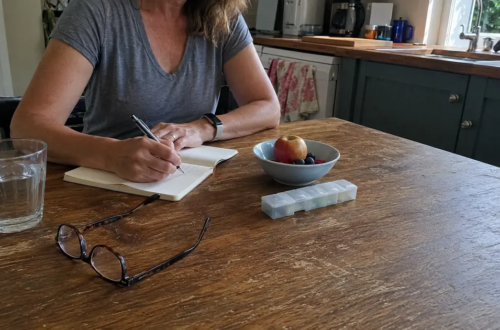
They research. They prepare. They rehearse what they’ll say in the car beforehand. They bring notes, then worry they look difficult for having them. They learn which questions are acceptable and which ones are better left unasked.
This isn’t usually framed as a response to bias. It’s framed as being cooperative. Easy. A “good patient.”
But let’s be honest. That adjustment takes energy. And it takes a toll.
Being repeatedly unheard teaches women to doubt themselves. To question their instincts. To wait longer than they should. Over time, trust erodes. Not just trust in the medical system, but trust in their own bodies. And no one ever calls that a side effect.
We’ve talked about this pattern before. About how early warning signs are often ignored until symptoms become impossible to dismiss. About why people are getting sick younger than they used to.
These aren’t separate issues. They’re connected by the same underlying truth: complexity is tolerated only up to the point where it becomes inconvenient.
Why Naming This Actually Matters
This isn’t about attacking doctors or throwing medicine out the window. It’s about being honest about the water we’re all swimming in.
When women’s symptoms are dismissed by doctors, it’s rarely because the symptoms aren’t real. It’s because the framework being used doesn’t fully account for women’s bodies. And when a system isn’t built to see something clearly, it will keep missing it, no matter how many times it shows up.
Understanding this doesn’t fix everything. But it does something important. It takes the blame off women. It loosens that reflexive self-doubt. It makes room to trust the body again. To ask questions without apologizing for them. To stop shrinking experiences just to make them easier to swallow.
Listening to your body shouldn’t feel like an argument. Asking questions shouldn’t feel risky. And needing answers shouldn’t require you to make yourself smaller.
Sometimes the most powerful thing is simply saying, this shouldn’t be this hard.
With love and truth,
—Donna 💚
Sources & Further Reading
Harvard Health Publishing: The dangerous dismissal of women’s pain
Harvard Medical School / Harvard Gazette: How gender bias in medicine has shaped women’s health