Why So Many People Are Confused About Organic Food Right Now
Most people buying organic aren’t trying to be perfect. They’re trying to be careful. They’re trying to avoid pesticides, support better farming practices, and choose food that won’t quietly work against their health.
But somewhere along the way, organic stopped being as clear as it once was.
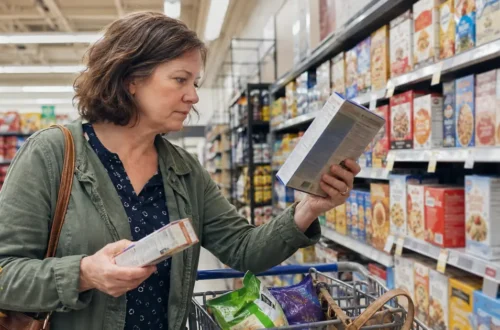
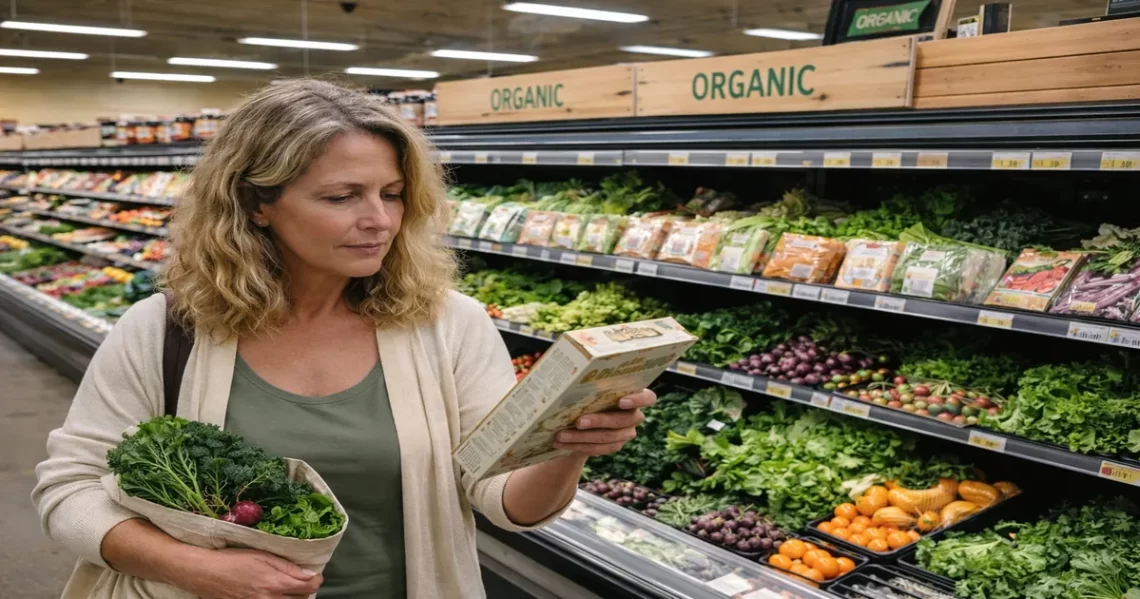
You can stand in a grocery aisle surrounded by earthy colors, farm imagery, and reassuring language, and still have no real idea who you’re supporting. The label says organic. The brand feels familiar. The story sounds right. And yet, behind the scenes, ownership has often changed in ways consumers were never told about.
That confusion isn’t accidental. It’s structural.
When Organic Became a Marketing Category Instead of a Value
Organic food didn’t lose meaning overnight. It was slowly absorbed.
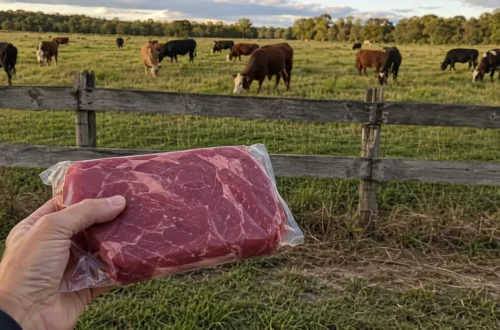
As demand for organic products grew, large corporations realized something important: they didn’t need to change how the food system worked. They just needed to buy the brands people trusted. The packaging stayed friendly. The language stayed reassuring. But decision-making shifted away from farmers and founders toward corporate boards and profit models built on scale.
This is part of a larger pattern that runs through the modern food system — consolidation, vertical integration, and quiet takeovers that most consumers never see. What looks like choice on the shelf is often multiple brands owned by the same parent company, all benefiting from the same industrial pipelines.
The label stayed.
The ownership disappeared from view.
What “Independent Organic Food Brands” Actually Means
This is where the phrase matters.
Independent organic food brands are companies that remain privately owned and committed to certified organic production. They haven’t been absorbed by multinational corporations. They aren’t quietly answering to venture capital. And they haven’t traded transparency for expansion.
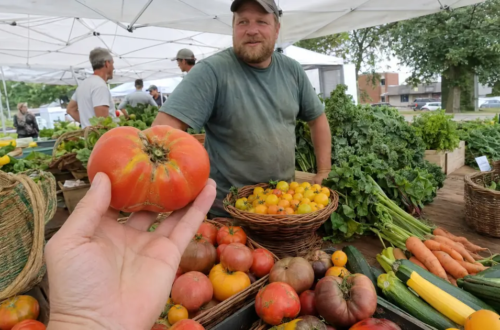
Independence doesn’t guarantee perfection. But it does mean accountability still exists. Decisions are closer to the source. Standards are harder to quietly dilute. And consumers have a better chance of knowing what they’re actually supporting.
In a system increasingly dominated by consolidation, that distinction matters more than most labels ever will.
Why Ownership Matters More Than Most Labels
When a large corporation acquires an organic brand, the changes aren’t always obvious at first. They tend to happen slowly and quietly.
Sourcing may shift. Ingredients may be swapped. Cost pressures may influence how strictly standards are interpreted. What was once a mission-driven company becomes a product line inside a much larger system that prioritizes efficiency, growth, and market share over care.
This pattern has been documented repeatedly in investigations into organic consolidation and corporate control. For a deeper look at how major food companies have absorbed once-independent organic brands, see Cornucopia’s research on ownership in the organic sector:
https://www.cornucopia.org/research/who-owns-organic/
None of this requires breaking organic certification rules outright. It simply requires pushing them to their most flexible edges.
Finding Clarity in a Crowded Marketplace
Because labels don’t tell the whole story anymore, some organizations have stepped in to track ownership and transparency. One of those is the Cornucopia Institute, which maintains a public list of independent organic brands still operating outside corporate control.
You can explore that list here:
https://www.cornucopia.org/research/independent-organic-brands/
It isn’t a shopping list and it isn’t a moral badge. It’s a clarity tool — a way for consumers to look past branding and ask a better question.
Who owns this food?
If you’re unfamiliar with Cornucopia’s work, here’s background on the organization and why it exists:
https://en.wikipedia.org/wiki/Cornucopia_Institute
Choosing Organic With Eyes Wide Open
This isn’t about fear. And it isn’t about purity.
It’s about informed consent.
Most people would make different choices if they understood how much consolidation has taken place behind organic branding. Supporting independent organic food brands won’t fix everything, but it does help preserve parts of the food system that are still rooted in transparency, soil health, and long-term thinking.
Organic still matters.
But independence is what keeps it honest.
With love and truth,
—Donna 💚