I don’t think most people realize what’s actually happening inside their body right now. We talk about energy, digestion, mood, immunity… but underneath all of that is something far more foundational that almost no one is protecting.
Your microbiome.
And I cannot ignore how modern life is quietly starving it. Not all at once, not in some dramatic, obvious way, but slowly, consistently, in ways that feel completely normal. That’s what makes it so dangerous.
What microbiome diversity loss actually means for your body
When people hear the word microbiome, they usually think probiotics or gut health, but this goes much deeper than that. Your microbiome is an entire ecosystem—trillions of bacteria, fungi, and microbes that live inside you and work with your body every single day.
And diversity is everything.
The more diverse your microbiome is, the more resilient your body becomes. Digestion stabilizes. Your immune system responds more effectively. Nutrient absorption improves. Even your mood and inflammation patterns begin to balance.
But when that diversity starts to shrink, things don’t fall apart overnight. It’s more subtle than that. I have seen how this shows up in people—not as one clear diagnosis, but as a slow unraveling. Food sensitivities that weren’t there before. Fatigue that doesn’t quite make sense. Digestive issues that come and go.
A body that just doesn’t feel as adaptable anymore.
The everyday habits quietly destroying your microbiome
Here’s the part that should stop all of us in our tracks. It’s not just antibiotics or extreme illness driving this. It’s everyday life—the things we’ve been told are normal, convenient, even healthy.
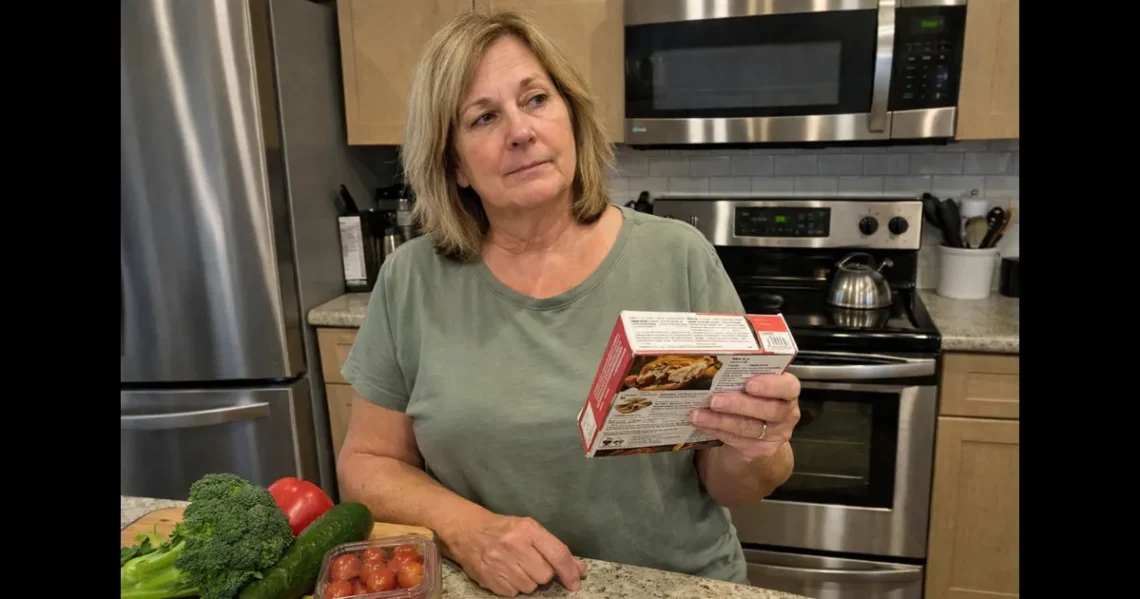
Ultra-processed food strips out the fibers and compounds your microbes actually need to survive. Over-sanitized environments remove the natural microbial exposure your body depends on. Chronic stress shifts your internal environment in ways that reduce beneficial bacteria. And when your diet lacks variety, you end up feeding the same narrow group of microbes while others begin to disappear.
And then there’s something even deeper that most people never think about.
We’ve lost our connection to the natural world.
We don’t touch soil the way we used to. We don’t grow food. We don’t interact with the microbial ecosystems that once kept our internal systems rich and alive. If you’ve ever explored the microbiome we share with the land, you already understand this isn’t just about your gut—it’s about the environment you live in.
And that connection has been quietly broken.
Why modern life is designed against microbial health
I say this gently, but directly, because I think it matters. Modern life is not built to support a diverse microbiome. It’s built for convenience. It’s built for sterility. It’s built for shelf life, not life itself.
We’ve created systems that prioritize long-lasting food over living food, controlled environments over natural exposure, and sameness over diversity. And then we wonder why our internal ecosystems are struggling.
I refuse to accept that this is just how things are now.
Because when you start to understand what’s happening beneath the surface, you begin to see that this isn’t random—it’s patterned. And once you see the pattern, you can start to make different choices inside of it.
How to start rebuilding microbial diversity naturally
This is where things begin to shift back into your control. While modern life may be working against you, your body is still incredibly responsive when you begin to support it differently.
You don’t need perfection, but you do need intention.
Start with food diversity. The more variety you eat—especially whole, unprocessed foods—the more you feed different microbial strains. Bring back real fiber, not the kind added into processed products, but the kind that comes from vegetables, fruits, legumes, and whole plants.
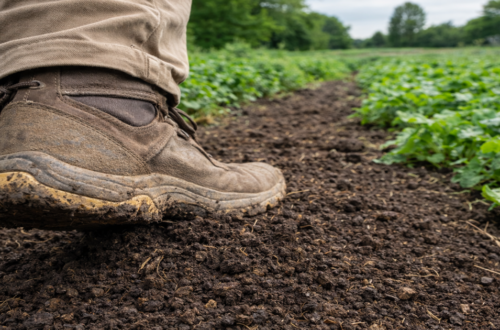
Reintroduce natural exposure by spending time outside, getting your hands in the dirt, and allowing your body to reconnect with the environment it was designed for. At the same time, be mindful of how often your system is being disrupted. Constant antibacterial products and over-processing can make it difficult for microbial balance to rebuild.
And maybe most importantly, slow down enough to notice how your body responds.
Because once your microbiome begins to recover, you can feel it. Digestion becomes more stable. Energy levels even out. There’s a sense that your body is working with you again instead of against you.
If you want to go deeper into that piece, I would also point you to why real food matters more than ever, because food is one of the most powerful levers you have in this process.
We don’t need more extreme solutions. We need to come back to what supports life—inside us, around us, and in the systems we’ve slowly drifted away from.
I believe this is one of the most overlooked foundations of health right now. And I believe it’s something we can begin rebuilding, one small shift at a time.
With love and truth,
—Donna 💚
Sources & Further Reading
1. Diet, Disease, and the Microbiome
https://www.health.harvard.edu/blog/diet-disease-and-the-microbiome-202104212438
2. Healthy Gut, Healthier Aging
https://www.health.harvard.edu/healthy-aging-and-longevity/healthy-gut-healthier-aging
3. You Are What (Your Microbes) Eat
https://www.harvardmagazine.com/2023/11/features-rachel-carmody-human-microbiome
4. Exploring the Gut Microbiota: Lifestyle Choices and Disease
https://pmc.ncbi.nlm.nih.gov/articles/PMC10585655/
5. Associations of Healthy Food Choices with Gut Microbiota
https://www.sciencedirect.com/science/article/pii/S0002916522003756
The information shared here is meant to educate and empower, not to replace personalized medical guidance. Your health decisions deserve thoughtful, informed support.