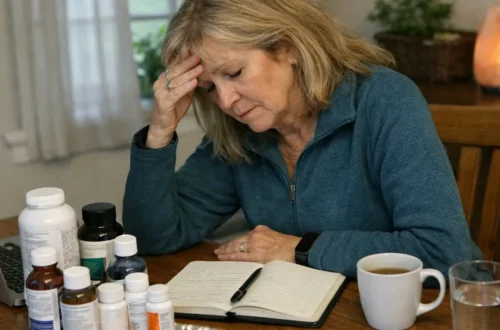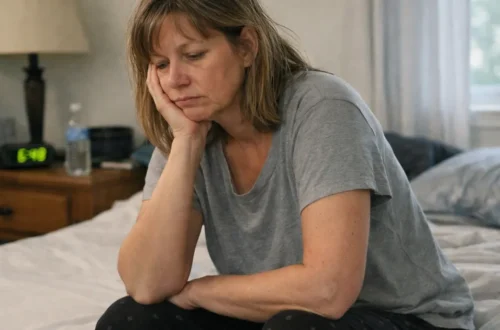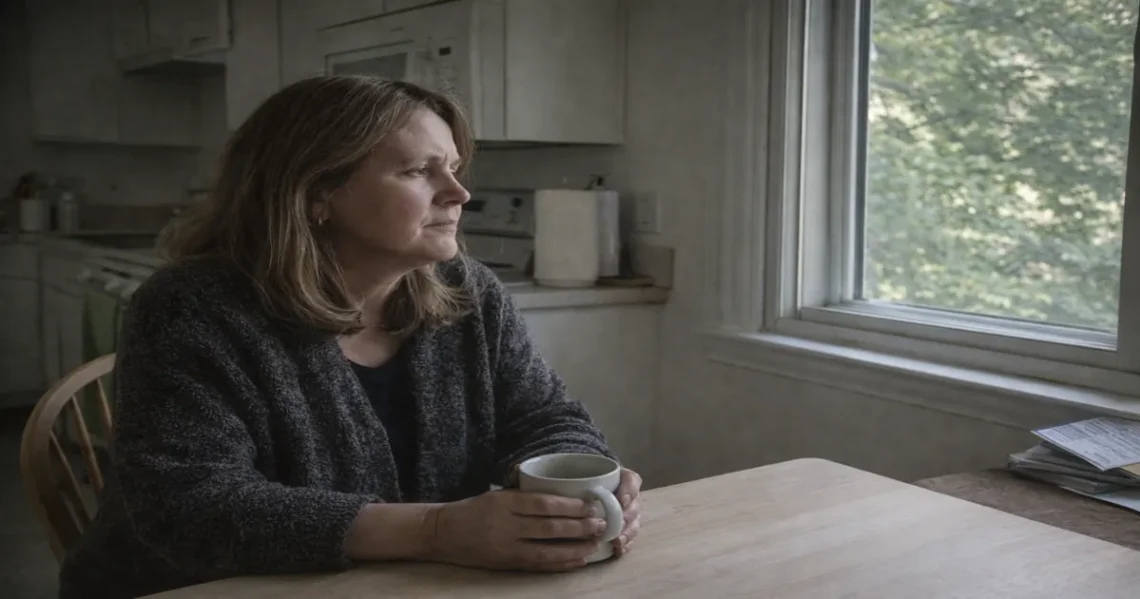
There are some problems that slowly become normal until we forget they are problems at all. I believe loneliness has quietly become one of them.
We talk constantly about nutrition, exercise, sleep, toxins, hormones, and inflammation. Those things matter. They absolutely matter. But I cannot ignore the growing body of evidence showing that human connection itself is a health factor. Not a luxury. Not a personality preference. A biological need.
When people live too long in isolation, something begins to shift. And that shift does not stay in the emotional realm. The body begins interpreting that disconnection as stress. Over time, that stress can influence everything from sleep to inflammation to immune resilience. Loneliness doesn’t stay in the heart. It moves into the body.
If you’ve been feeling more disconnected lately — more tired, more withdrawn, or like your system never fully settles — I want you to hear something clearly. That does not mean something is wrong with you. It may simply mean your body has been living too long without the kind of connection human beings were designed to experience.
Why loneliness is more than just an emotion
One of the biggest misunderstandings about loneliness is the idea that it simply means “being alone.” But loneliness is not about how many people are physically around you. It is about whether your nervous system experiences connection, belonging, and safety.
You can live alone and still feel deeply connected to people in your life. And you can be surrounded by coworkers, acquaintances, and online conversations while still feeling profoundly isolated. The body does not measure connection by proximity. It measures it by safety.
For most of human history, being socially cut off meant vulnerability. It meant fewer resources, less protection, and a higher likelihood of danger. Because of that, the brain evolved to treat prolonged disconnection as a potential threat.
When that signal persists, the body begins responding as though it must stay alert. Stress hormones rise. Sleep becomes lighter and less restorative. Inflammation can increase. And over time the immune system begins operating under strain.
This is one reason the conversation around loneliness belongs alongside discussions about chronic stress. In earlier posts like Why Stress Is Manufactured and Reclaiming Your Morning, we explored how modern life keeps the nervous system constantly activated. Loneliness often becomes another layer of that same stress burden.
What isolation does inside the body
When loneliness becomes chronic, the body often shifts into a prolonged stress response. Cortisol levels can rise. Inflammatory signaling may increase. Immune regulation becomes less efficient. The body begins operating as though it must remain vigilant.
That does not mean loneliness alone causes illness. But it absolutely changes the terrain your body is operating in, and terrain matters.
When the nervous system stays locked in stress mode for long periods, energy that would normally support healing and repair gets redirected toward defense. Over time, that imbalance can leave people feeling run down, emotionally flat, or physically depleted.
Many people living through long seasons of loneliness notice the same patterns emerging. They may get sick more frequently. Sleep becomes inconsistent. Motivation for healthy routines begins slipping. Energy drops in ways that feel difficult to explain.
These experiences are often interpreted as personal weakness. But in many cases they are simply biological consequences of prolonged stress and disconnection.
Why modern life is making loneliness worse
I cannot believe how quickly loneliness has become normalized in modern culture. We now have more ways to communicate than at any other point in human history, yet many people feel more disconnected than ever.
Work has become more fragmented. Families are more geographically scattered. Neighborhood communities have thinned. Screens have replaced a surprising amount of real conversation. And social media, for all its benefits, often creates the illusion of connection without the physiological benefits of genuine presence.
We see each other’s lives constantly. But we do not always share them.
I have seen many people quietly assume that loneliness means something is wrong with them. But often the environment itself is producing isolation. Understanding that shifts the conversation away from shame and toward strategy.
Pathways back to connection that support healing
If loneliness has been part of your life lately, rebuilding connection rarely happens through a dramatic overnight change. It usually begins with something smaller and more sustainable.
One powerful starting point is repeatable human contact. Connection grows through rhythm — a weekly coffee, a regular phone call, a standing walk, a class, a volunteer shift. Consistency matters more than intensity.
It can also help to place yourself in environments where connection happens naturally. Shared spaces like community events, classes, faith groups, or service opportunities allow conversation to emerge without pressure.
Another helpful step is letting your body participate in reconnection. Walking with someone, cooking together, working on a project, or sharing a meal can rebuild trust in connection without forcing deep emotional conversation immediately.
Sometimes the most meaningful shift begins with a single honest sentence spoken to someone safe: “I’ve been feeling really disconnected lately.” Loneliness often grows in silence, and honesty interrupts that silence.
Finally, serving someone else can become a surprisingly powerful doorway back into belonging. Helping a neighbor, delivering a meal, volunteering, or offering support reminds the nervous system that it still has a place inside a living community.
You were never meant to heal alone
I believe this deeply: human beings were designed to heal inside relationship. We regulate each other’s nervous systems. We share burdens. We remind one another that life is larger than whatever pain we are carrying.
When that connection disappears, the body feels it.
So if you are in a lonely season right now, please hear this clearly. Your body is not failing you. It may simply be asking for something essential.
Not another supplement.
Not another optimization strategy.
But something far more fundamental.
Connection.
Small connection.
Honest connection.
Repeated connection.
Because sometimes the most powerful medicine we can receive… is another human being.
Next week we will look at another hidden stress pattern many people carry — the quiet normalization of chronic stress and how it reshapes the body over time.
With love and truth,
—Donna 💚
Sources & Further Reading
Social connection linked to improved health and reduced risk of early death
https://www.who.int/news/item/30-06-2025-social-connection-linked-to-improved-heath-and-reduced-risk-of-early-death
Health Effects of Social Isolation and Loneliness
https://www.cdc.gov/social-connectedness/risk-factors/index.html
Build Social Bonds to Protect Health
https://newsinhealth.nih.gov/2025/03/build-social-bonds-protect-health
How Loneliness Impacts Your Health
https://health.clevelandclinic.org/what-happens-in-your-body-when-youre-lonely
Plasma proteomic signatures of social isolation and loneliness associated with morbidity and mortality
https://www.nature.com/articles/s41562-024-02078-1