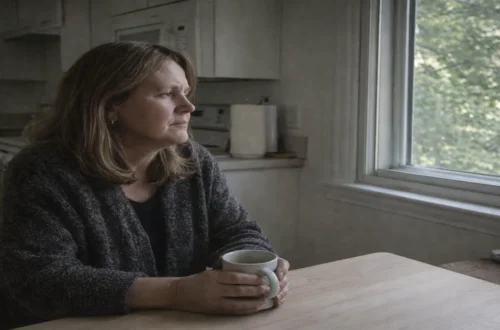
The quiet way burnout actually begins
Burnout rarely announces itself loudly at first. It shows up in small, almost dismissible ways — waking up tired even after a full night’s sleep, feeling unusually impatient, struggling to focus on things that used to feel easy. These are not dramatic failures. They are early signs of burnout, and your body uses them as a language long before it resorts to pain or illness.
We’re often taught to override these signals, to push through them, to “be productive” no matter the cost. But the body doesn’t forget what the mind ignores. This pattern — ignoring subtle stress until it becomes something louder — is part of what fuels what Donna has described as the sickness economy, where symptoms are treated after the damage is done instead of listening sooner. https://avoiceforchange.com/the-sickness-economy/
The whispers before the symptoms
Before burnout becomes exhaustion, it often looks like emotional flattening. You may still be functioning, still showing up, but something feels dulled. Joy takes more effort. Rest doesn’t quite restore you. Small tasks feel heavier than they should.
Physically, the body may respond with muscle tension, headaches, digestive changes, or disrupted sleep. Mentally, there’s often a growing sense of detachment — not depression exactly, but distance. These aren’t character flaws. They’re feedback.
Ignoring that feedback doesn’t make you stronger. It makes the signals escalate.
Why we’re conditioned not to listen
Many of us have been trained to believe that stopping is failure. That slowing down means falling behind. That rest is something you earn only after everything else is done.
But that mindset disconnects us from bodily wisdom. It teaches us to override intuition and replace it with pressure. Over time, that disconnection becomes normalized — until the body forces a pause through burnout, anxiety, or chronic symptoms.
This is where health sovereignty actually begins — not with supplements or protocols, but with the ability to hear and trust your own internal signals before someone else labels them for you. https://avoiceforchange.com/health-sovereignty/
Listening is not weakness
There is nothing indulgent about paying attention to your limits. It’s an act of responsibility.
When your body asks for rest, boundaries, or a slower pace, it’s not asking you to give up. It’s asking you to preserve yourself. Strength isn’t endless output — it’s sustainability.
Burnout doesn’t mean you did something wrong. It means you stayed in stress longer than your nervous system could tolerate without support.
How to interrupt burnout before it deepens
Reversing burnout starts with responding to the earliest signals instead of negotiating with them. Prioritize sleep that actually restores you, not just time in bed. Reduce stimulation — especially constant digital input — and allow your nervous system to downshift daily, not only on weekends.
Create firmer boundaries around your time and energy, even when it feels uncomfortable. Build in small, grounding habits — walking, journaling, quiet moments — that help your body feel safe again. Ask for help sooner than you think you need it, and let support be preventative rather than reactive.
Small adjustments made early can prevent years of recovery later. The body is always communicating. Burnout happens when we stop listening.
With love and truth,
—Donna 💚
Sources & Further Reading
What Is Burnout? 6 Signs and How To Recover (Cleveland Clinic, Jan 27, 2026)
12 Ways To Recover From Burnout (Cleveland Clinic, Jun 5, 2023)
Job Burnout: How to Spot It and Take Action (Mayo Clinic, Nov 30, 2023)
What Is Emotional Exhaustion? (Mayo Clinic Health System, Apr 19, 2024)
Job Burnout: Consequences for Individuals, Organizations, and Equity (NCBI Bookshelf, May 6, 2025)