The Quiet Shift We’ve All Been Feeling
If you’ve ever looked at your plate and thought, “Why doesn’t food feel like it used to?” you’re not imagining things. A lot of what we’re experiencing in our bodies traces back to something most people never think about: how chemical farming affects health long before that food even reaches our kitchens.
The soil beneath our feet has been slowly losing its spark. Not in a dramatic way, but more like the subtle exhaustion you notice in someone you love before they finally admit they’re worn out. Our soil has been pushed, sprayed, hurried, and stripped — and the life inside it has been fading for decades.
And here’s the thing most people miss: when the soil loses life, our food loses life. And eventually, we feel it too.
Soil Depletion Doesn’t Stay in the Soil
The nutrient decline in our food didn’t start at the grocery store. It started the moment we traded rich, microbially alive soil for synthetic chemicals and quick fixes. Farmers were promised abundance, but the cost was quiet and hidden: nutrient loss, mineral imbalance, and crops that look strong but aren’t.
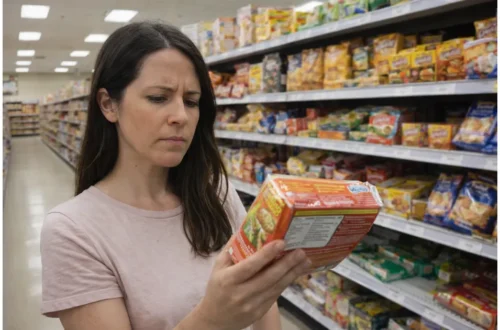
So the tomatoes still look like tomatoes. Spinach still looks beautifully green. But inside? They don’t carry the same nourishment they once did.
If you’ve ever wondered why so many people feel tired, inflamed, or chronically off — this is part of the story. And as we talked about in Your Gut Wants You to Slow Down, our gut microbes respond to the world around us. Soil microbes and human microbes speak the same language. When one struggles, the other follows.
What Chemicals Quietly Steal From Us
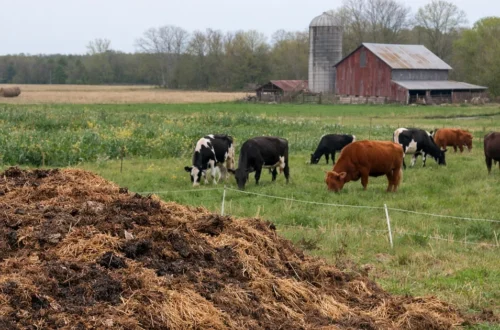
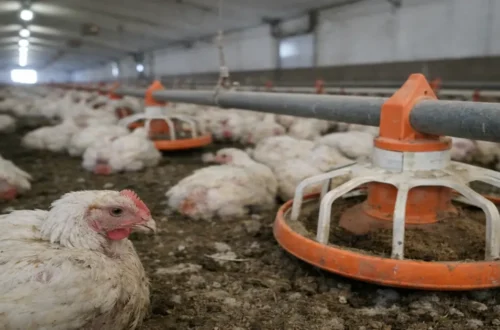
Farmers aren’t the villain here. They’ve been sold a system that promised ease. But every fertilizer, pesticide, herbicide, and fungicide quietly interrupts the ancient partnership between soil and plant. Microbes vanish. Minerals lock up. Plants grow, but they grow hollow.
And here we are, decades later, eating food that fills the stomach but doesn’t always fortify the cells.
Researchers are finally connecting soil microbial collapse with weakened immunity, inflammation, gut issues, and chronic fatigue. It makes sense. We were never meant to be disconnected from the earth that feeds us. The soil was our original pharmacy.
What You Can Do to Strengthen Your Health Again
This is the part Donna never leaves out — the part that hands your power back.
You are not at the mercy of this system. Yes, chemical farming affects health, but your body responds beautifully when it’s given real support.
Start by looking for food grown in living soil, whether from a farmers’ market, a local regenerative farm, or even a small backyard grower. Ask how it’s grown. Look someone in the eye. You’ll find a surprising number of people rebuilding soil quietly, one harvest at a time.
Grow a little something yourself if you can. Herbs. Lettuce. A tomato plant. Even one pot reconnects you to real soil and real nourishment. It doesn’t have to be pretty. It just has to be alive.
Add fermented foods or a high-quality probiotic to support your microbiome. When soil microbes decline, our gut microbes notice, so we help them in simple ways.
And above all, release the idea that you have to do everything perfectly. Perfectionism has never grown a single carrot. What matters is awareness, curiosity, and choosing the more life-giving path whenever you can. Small changes shift the soil conversation inside your body.
The Good News — Soil Forgives Easily
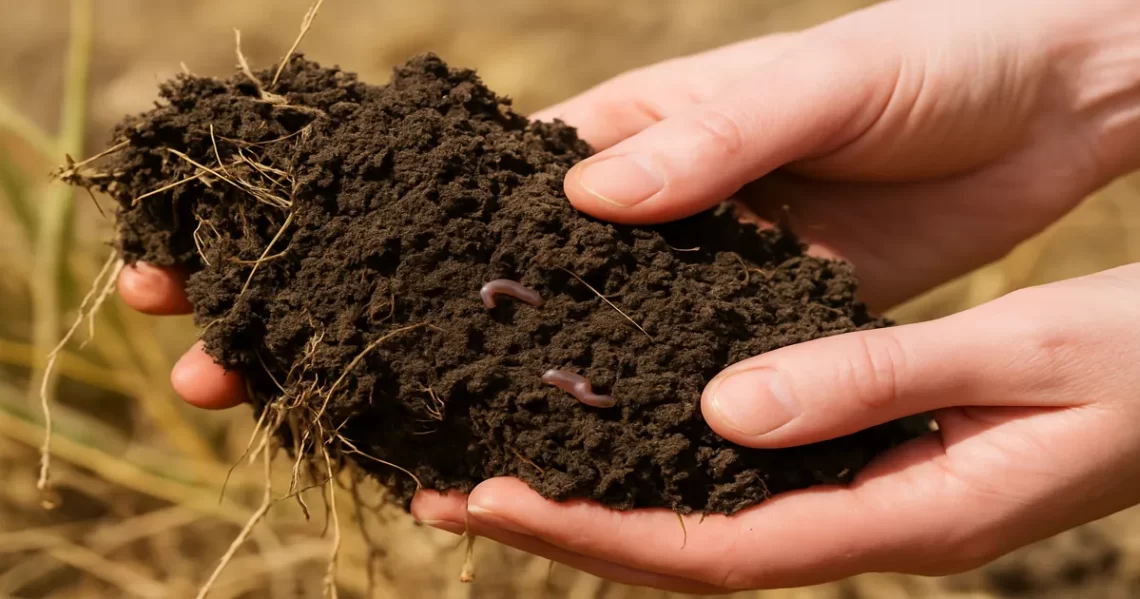
Soil heals fast when we stop hurting it. Give it compost, roots, rest, diversity, and time, and it springs back to life. It remembers what to do — and when the soil heals, the food heals. And when the food heals, we heal.
This isn’t just a farming issue. It’s a sovereignty issue.
It’s about reclaiming real nourishment and real freedom.
Next Week on Farmland Friday
We’ll explore The Hidden Life Beneath Your Feet — the tiny architects of immunity and resilience who shaped our health long before modern agriculture arrived.
With love and truth,
—Donna 💚
Sources & Studies Supporting This Topic
-
- Considering the Nutrient Density of Food Crops (overview connecting farming methods, soil and nutrient density)
https://www.ifm.org/articles/food-for-health-nutrient-density-food-crops/ - An Alarming Decline in the Nutritional Quality of Foods (2024 review on long-term nutrient loss in crops)
https://pmc.ncbi.nlm.nih.gov/articles/PMC10969708/ - Historical changes in the mineral content of fruit and vegetables in the U.K. between 1940 and 2019 (2022 analysis of mineral decline)
https://www.tandfonline.com/doi/full/10.1080/09637486.2021.1981831 - A systematic review of pesticide exposure, associated risks and health outcomes (2024 overview of pesticide-related health risks)
https://pmc.ncbi.nlm.nih.gov/articles/PMC11664077/ - Low-dose glyphosate exposure alters gut microbiota composition (2023 study on glyphosate and the microbiome)
https://pmc.ncbi.nlm.nih.gov/articles/PMC10330715/ - Status of the World’s Soils (2024 review of global soil degradation and its consequences)
https://www.annualreviews.org/content/journals/10.1146/annurev-environ-030323-075629
- Considering the Nutrient Density of Food Crops (overview connecting farming methods, soil and nutrient density)