I’ve been thinking a lot about the holiday table lately. Not the recipes or the decorations, but the food itself. Where it comes from, how it feels in the body afterward, and why some meals leave us grounded and satisfied while others leave us tired, bloated, or irritable.
For years, I didn’t question it. I just assumed that’s how holidays felt. Heavy. Exhausting. Too much of everything. I blamed the portions, the sugar, the indulgence. I don’t believe that anymore.
Why Soil Matters More Than We Think
What I’ve come to understand is that what we feel after a meal has very little to do with tradition and a whole lot to do with the land that food came from. Soil matters, far more than we’ve been taught to notice.
Healthy soil isn’t just dirt. It’s alive. And when soil is alive, the food grown in it carries something different. More substance. More balance. More nourishment the body actually recognizes. When soil is depleted, food can still look abundant and beautiful, but it arrives with less to give.
Holiday Foods Were Meant to Nourish, Not Overwhelm
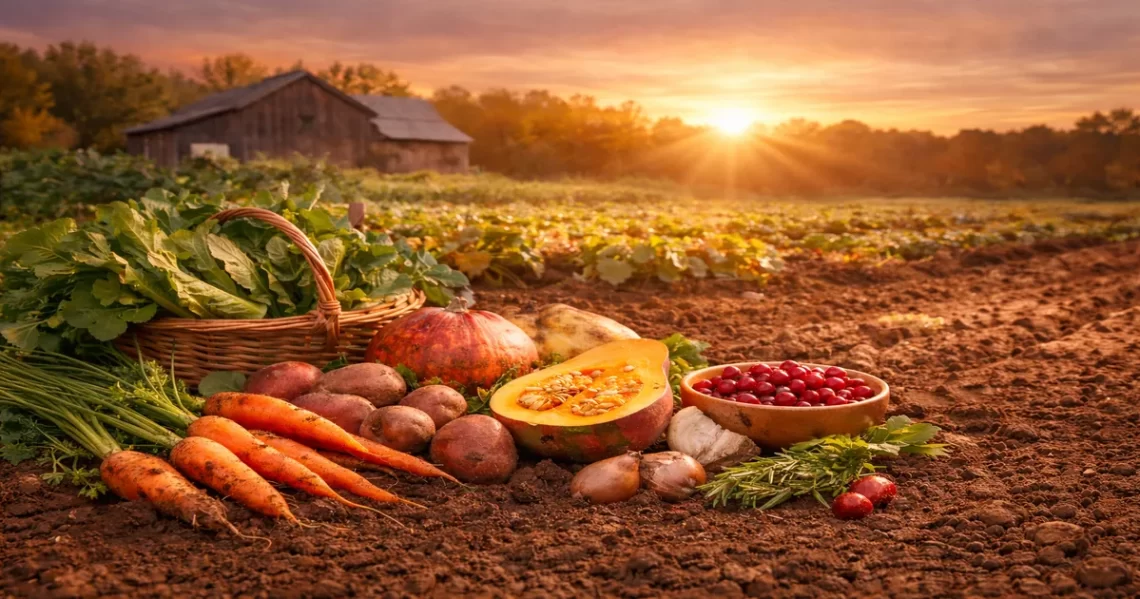
Most holiday foods are grounding foods by nature. Root vegetables, squash, greens, herbs, potatoes, grains, cranberries, nuts. These foods exist to support digestion, steady energy, and help people feel calm and nourished during long meals and long conversations. They were never meant to overwhelm the body.
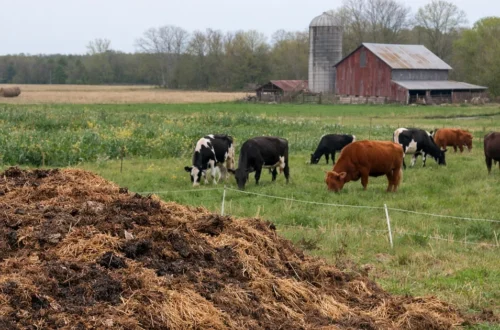
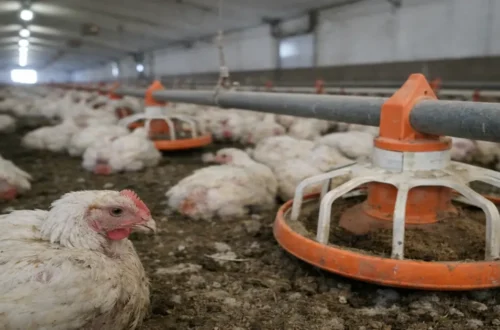
So why do they so often feel heavy or draining? Because industrial farming has stripped and exhausted much of our soil, forcing it to produce instead of nourish. When soil is depleted, food still fills the plate, but it doesn’t deliver what it once did. And the body knows.
Digestion Begins in the Soil
Digestion doesn’t begin in the stomach. Instead, it begins in the soil. Plants grown in healthy soil contain minerals and compounds that support digestion, energy production, and nervous system balance. When those are missing, the body works harder to compensate. During the holidays, when stress is already high and routines are disrupted, that strain shows up quickly.
Mood, Energy, and the Gut-Brain Connection
Mood is part of this story too and the gut and the brain are deeply connected. What we eat affects how we feel emotionally as much as physically. When food lacks what it’s meant to provide, people feel unsettled, on edge, and depleted. That isn’t a personal failure. It’s a systems problem.
Celebration doesn’t cause holiday overwhelm. It’s caused by disconnection. Disconnection from the land, from how food is grown, and from what nourishment is actually supposed to feel like.
Restoring the Foundation Without Abandoning Tradition
I don’t believe the answer is less celebration or abandoning tradition. I believe the answer is restoring the foundation.
And we can do that without making the holidays weird or complicated.
If you’re feeling wrecked every year after these meals, start here: slow the plate down. Eat a little more intentionally. Notice what foods feel grounding and what foods spike cravings or crash your energy. That feedback matters.
Then, when you can, choose food that comes from cared-for land. A local farmer. A neighbor’s eggs. A small farm’s vegetables. Even swapping just one or two ingredients can change how your body experiences the whole meal, because the body responds to real nourishment.
And if you want something simple to do this week, try this: build one part of your holiday plate around living food grown in living soil. A big salad with good oil and minerals. Roasted roots. Greens with garlic. Something that feels like it came from the earth, not a factory.
When land is respected, food does what it’s supposed to do. It grounds us. It supports us. It sustains us through full houses, long days, and meaningful gatherings.
The holiday plate tells a story. And that story begins in the soil.
Next Week on Farmland Friday
Why Regenerative Farms Grow More Than Food, and how emotional, communal, and ecological healing begins when land is treated as a living system, not a commodity.
With love and truth,
—Donna 💚
Sources & Further Reading
Soil-friendly farming practices and nutrient density (2022)
Research suggesting soil-supportive practices can produce crops with higher nutrient and phytochemical concentrations.
https://www.washington.edu/news/2022/02/24/farms-following-soil-friendly-practices-grow-healthier-food-study-suggests/
Soil health and ecosystem function (NRCS overview)
Overview of soil health principles, including biology, structure, and water dynamics.
https://www.nrcs.usda.gov/conservation-basics/natural-resource-concerns/soils/soil-health
Diet, micronutrients, and the gut-brain axis (2020)
Review discussing diet’s relationship to gut function and brain signaling.
https://www.ncbi.nlm.nih.gov/pmc/articles/PMC7213601/