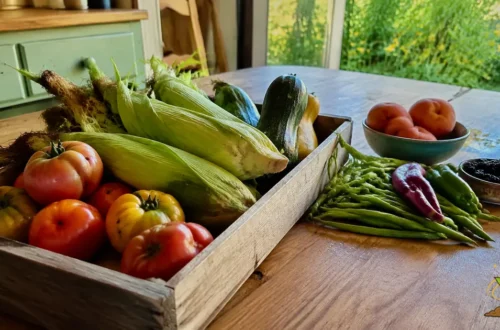
Real food is essential today. Growing some of your own food is no longer a fad. It is essential, and it can be done easily in window gardens or in buckets on a balcony. Of course, one of the best ways to get real food is to support your local farmer. Today, I no longer see the organic label as an automatic guarantee of clean food. So much has been corrupted that it is difficult to know the true quality of the food we buy.
But if you know your neighbors, including your farmers, getting great food to sustain life and health becomes much easier. Make it your business to know who is raising and growing the food you eat. My motto… if man made it, I don’t eat it. Fruits, veggies and animal foods are all products of nature. Man doesn’t make it, but he does tend it. Ask questions. Make sure the people you buy from understand your concerns about chemical use. Make sure they know about the alternatives that have been kept from us for years. Use the KISS principle when feeding your body: Keep It Simple, Silly.
Why Fresh Herbs Belong in the Kitchen
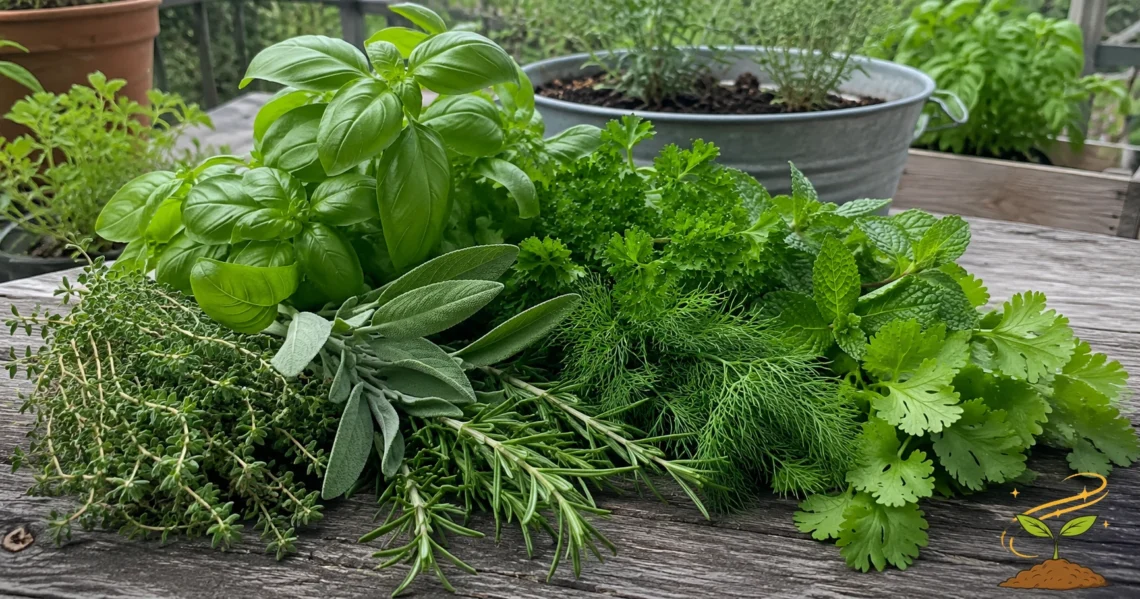
When it comes to medicine, preventing cancer and other diseases and healing from various maladies, eating fresh herbs is a must. Ty and Charlene Bollinger wrote an article about 10 healing herbs they believe belong in your kitchen pharmacy. I’ve used many of these myself and they do work.
Herbs knock the socks off so many cancers – not just hormone-driven cancers. Let’s discuss these healing herbs and their actions in more detail, because you certainly won’t hear about herbs as a tool to prevent or heal cancer from your conventional family doctor. Here is a link to their full article:
https://thetruthaboutcancer.com/healing-herbs/?mpweb=144-10578686-744986466
Below is a quick recap of the herbs they highlighted, along with simple ways to use them. Again, if you want deeper details, click on the link above and read the entire article.
10 Healing Herbs to Know
1. Rosemary
The two key natural phytochemicals in rosemary are caffeic acid and rosmarinic acid. Both are potent antioxidants and anti-inflammatory agents that help protect the body’s cells from damage by free radicals.
Preparation tip: Add rosemary to roast potatoes, soups, stews, meat, and poultry.
2. Parsley
Parsley has potent anti-inflammatory and anticancer abilities. Natural chemical compounds known as phytochemicals in parsley can slow cell division, giving the cell time to correct DNA errors and induce apoptosis, which is cell death.
Preparation tip: Add parsley to salads, tabbouleh, soups, stews, sauces, and vegetables. Or chew fresh parsley for a natural breath freshener.
3. Dill
Dill possesses antibacterial, antioxidant, and other medicinal properties. This is mostly due to monoterpenes, natural chemical components of fragrant oils derived from leaves, flowers, and fruits. These compounds stimulate and activate the enzyme glutathione-S-transferase, a powerful antioxidant that neutralizes carcinogens such as free radicals.
Preparation tip: Add dill to salmon, cucumber salad, roasted or steamed carrots, potatoes, zucchini, salads, and sauces.
4. Basil
Basil has powerful anti-inflammatory and antioxidant properties. It contains natural compounds known as flavonoids that help shield cell structures from radiation and oxidative damage, and may also protect liver cells.
Preparation tip: Add basil to eggs, lamb, white beans, pizza crusts, breads, roasted beets, roast chicken, soups, sauces, and stews.
5. Sage
Sage is a member of the mint family. Sage contains a variety of volatile oils, flavonoids, including apigenin, diosmetin, and luteolin, and phenolic acids, including rosmarinic acid. All of these components combine to provide powerful antioxidant and anti-inflammatory activity. Sage can increase the flow of bile and supports liver detoxification.
Preparation tip: Add sage to eggs, lamb, white beans, pizza crusts, breads, roasted beets, roast chicken, soups, sauces, and stews.
6. Clary Sage
Clary sage is a close relative of the common garden sage. Its oil has been used to improve vision and soothe tired or strained eyes and is often added to soaps, detergents, creams, lotions, and perfumes. In fact, it is the main component of Eau de Cologne.
Preparation tip: Clary sage is most commonly available as an essential oil. This oil should only be used topically with carrier oil or in a diffuser, and should not be used in combination with alcohol, as it may increase drowsiness.
7. Oregano
Oregano contains the phytochemical quercetin, which is known to slow cancer growth and promote cell death. Additionally, oregano contains anti-inflammatory, immune-supportive, antibiotic, antimutagenic, antifungal, antiviral, and antiparasitic compounds. It encourages apoptosis, which is cell death, making it a powerful anti-cancer herb overall. Oregano is particularly effective against leukemia, prostate, breast, and colon cancer.
Preparation tip: Add oregano to pizza, tomato sauce, chicken, vinaigrettes, seafood dishes, and beans.
8. Thyme
Thyme contains phytochemicals known as terpenoids that are recognized for their cancer-preventive properties and medicinal uses. Rosmarinic, thymol, and ursolic acids are the terpenoids in thyme that possess anti-cancer properties, which make thyme a powerful antiseptic, antibacterial, and antioxidant.
Preparation tip: Add thyme to roasted carrots, squash, eggs, bean dishes, chicken, soups, sauces, and stews.
9. Mint
Mint contains phytochemicals with anti-bacterial and anti-inflammatory properties, and it cuts off the blood supply to tumors, resulting in their death. Mint promotes digestion and inhibits harmful bacterial growth in the mouth. Studies have tied poor oral health to cancer and poor digestion to the malabsorption of key nutrients critical for the prevention of cancer. Mint helps relieve congestion and cough, relieves depression and fatigue, and may protect the liver, too.
Preparation tip: Pulse or blend mint with olive oil and drizzle it over grilled fish, chicken, artichokes, or asparagus. Add to tabbouleh or use the leaves to make tea. Chew on fresh mint to freshen breath and reap the anti-cancer benefits.
10. Cilantro
Cilantro, also known as Chinese parsley or coriander, helps remove heavy metals such as mercury and lead from the body. The antimicrobial and heavy-metal-chelating properties of cilantro have led to its recent use in many “detoxification” juices and drinks. Cilantro is also a strong antioxidant, thus decreasing oxidative stress. Other benefits include anti-anxiety properties that aid sleep, help lower blood sugar, and support cardiovascular health.
Preparation tip: Add cilantro to guacamole, curry dishes, soups, salads, stews, and fresh juices.
A Note of Caution
As Ty and Charlene pointed out in their article – there is a note of caution.
Using Essential Oils – Quality essential oils are readily available, but do not consume ones not intended as supplements without first seeking the advice of a knowledgeable practitioner. Some essential oils can be toxic when taken orally in the wrong dose.
Tarragon – One garden herb you may want to restrict is tarragon, which research suggests may be mutagenic, meaning it can damage DNA. So while tarragon does have medicinal qualities, eating too much of it might not be a good idea. If you really like the taste of it, try substituting fennel, chervil, or anise seed instead.
I share bold truths about clean food, health, natural healing, current events, freedom, America and more. A Voice for Change empowers readers to fight back and reclaim our wellness, families and freedoms—one fearless post at a time. Read it all on my Substack.
https://substack.com/@avoiceforchange
No censoring there. I’ll continue sharing bold, truth-telling stories on health, food, freedom, and the current events affecting all of us. Help me keep speaking up for our health, our planet, and humanity. Become a member today and support this work.
If this message speaks to you, I hope you’ll stay connected, share it with someone who needs encouragement, and keep asking better questions about your health, your food, and the environment we live in today.
God bless America. God bless us all.
With love and truth,
—Donna 💚
None of this is meant to replace medical care. It is meant to remind us that food, herbs, and the choices we make every day matter deeply.