We’ve been taught to think of food as products. Packages. Labels. Ingredients listed neatly on the back of a box as if that tells the whole story. But I believe something deeper has been stripped away from that way of thinking, because food is not just something you buy—it’s something that comes from somewhere. It has a beginning, a process, and a path that most of us never see.
Every piece of food you eat carries a story with it. Where it was grown, how it was raised, what the soil looked like, what the animal consumed, how it was handled, stored, and transported. All of it matters. And whether we realize it or not, that story becomes part of us. That’s the piece I think we’ve lost—the understanding that food is not neutral. It carries information, energy, and history into the body.
Why Most People Have No Idea Where Their Food Comes From
I have seen how disconnected we’ve become from the origin of our food, and I don’t believe it happened by accident. The modern food system is designed for efficiency and scale, not transparency. The further food travels, the more hands it passes through, the less visible its story becomes. By the time it reaches you, it has been reduced to something that looks simple, clean, and easy to trust.
But that simplicity is often an illusion. You’re left relying on labels that sound reassuring but don’t actually tell you much, and marketing language that creates a feeling of safety without offering real clarity. When you can’t see where something came from, you’re forced to trust a system that hasn’t earned that trust. And most people don’t even realize that’s what’s happening.
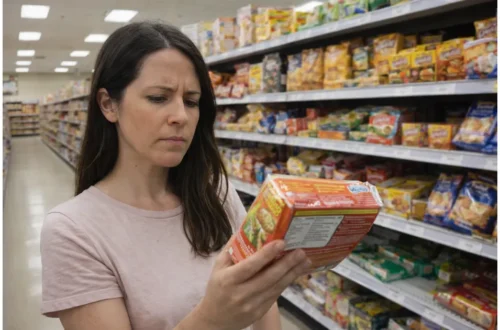
If you’ve ever stood in a grocery store and felt unsure—even when something looked “healthy”—that feeling isn’t random. It’s your awareness picking up on the fact that something is missing from the picture.
What Happens to Food Before It Reaches Your Plate
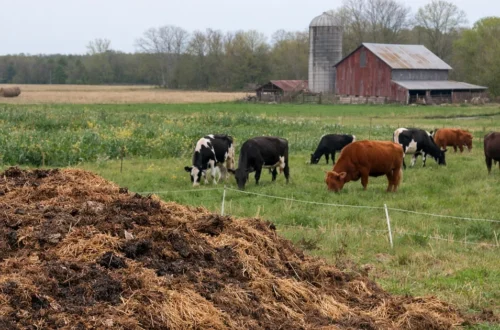
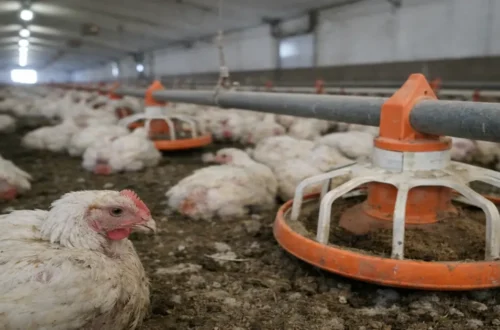
Food doesn’t just appear in a store. It moves through a system, and that system leaves a mark. I cannot ignore how much can change between the moment something is grown or raised and the moment it ends up on your plate. The soil it came from might be depleted or chemically treated. The crops may have been sprayed, preserved, or processed in ways that aren’t obvious from the outside. The food may have been stored for long periods or transported across long distances before you ever see it.
Each step alters something. Nutrients shift. Microbial life changes. Exposure accumulates. Two foods that look identical can have completely different effects on your body depending on their origin and handling. That’s why so many people feel confused. They’re eating what they’ve been told is “good,” but something still isn’t working.
This is where the conversation about food has to go deeper. It’s not just about what you’re eating—it’s about where it came from and what happened to it along the way. That connection becomes even clearer when you start to understand how closely your body mirrors the environment your food was grown in, which is something I explored more in The Microbiome We Share With the Land.
How to Start Reconnecting With Your Food Source
This is the part where people tend to feel overwhelmed, but it doesn’t have to be that way. You don’t need to overhaul your entire life overnight. I believe it starts with something much simpler—paying attention. When you begin asking where your food comes from instead of just what it contains, everything starts to shift.
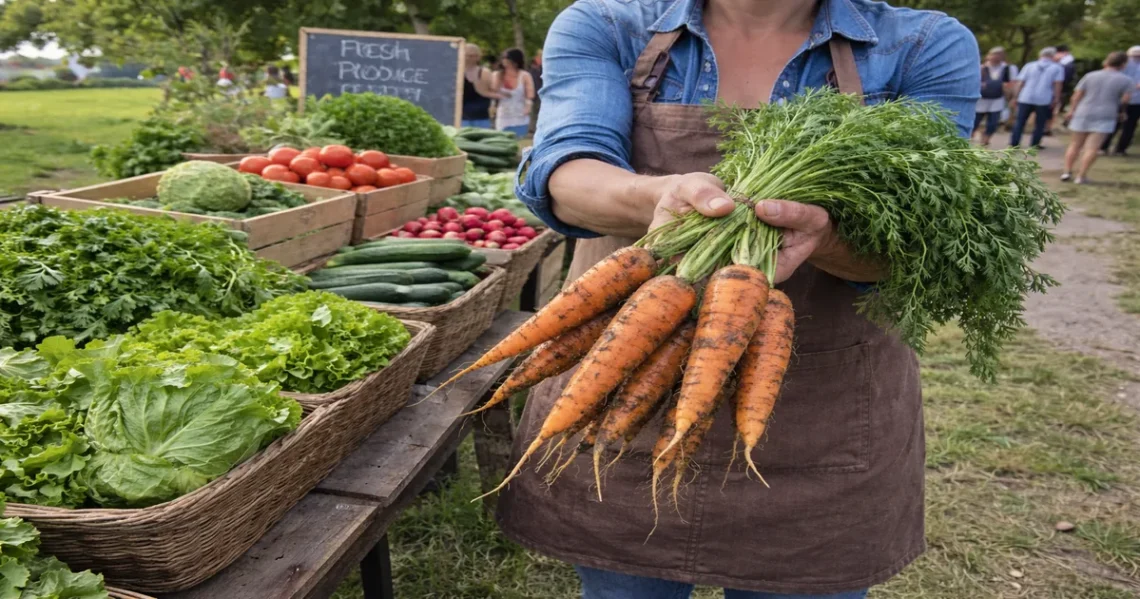
You might start noticing patterns. Food that is closer to its source often feels different in your body. It’s fresher, more satisfying, more grounding. You might find yourself drawn to local producers, farmers markets, or simpler foods that haven’t been handled as much. The goal isn’t perfection—it’s awareness. Awareness changes the way you choose, and those choices add up over time.
It also means trusting yourself more than the label. If something feels off, it’s worth paying attention to that. Your body is constantly giving you feedback, but most of us have been taught to ignore it. Rebuilding that trust is part of reconnecting—not just with food, but with your own instincts.
And if you’re someone who feels like you’re doing everything “right” but still not feeling the way you expect, this could be one of the missing pieces. I touched on that deeper disconnect in Why You’re Tired Even After Sleeping, because sometimes the issue isn’t effort—it’s unseen inputs.
When you begin to understand that your food has a story, you start to realize that you have a choice in which stories you bring into your body. And that’s where real change begins.
With love and truth,
—Donna 💚
Sources & Further Reading
1. Local and Regional Food Systems
https://www.nifa.usda.gov/topics/local-regional-food-systems
2. Transforming the U.S. Food System
https://usda.exposure.co/transforming-the-us-food-system
3. Local Food Systems Overview (National Agricultural Law Center)
https://nationalaglawcenter.org/overview/local-food/
4. Environmental Impacts of Food Production
https://ourworldindata.org/environmental-impacts-of-food
5. WWF – Food Systems and Sustainability
https://www.worldwildlife.org/our-work/food