We ask farmers to feed us. We want grocery store shelves to stay full, and we want fresh produce, meat, milk, eggs, and everything else ready when we need it. We want our food to be safe, plentiful, and affordable. At the same time, we expect farmers to deal with rising costs, unpredictable weather, complicated rules, debt, equipment problems, changing markets, and companies that often have far more power than they do.
Then we wonder why farmers feel trapped.
We have put the people who grow our food in an almost impossible position. They are expected to take care of the land, keep food prices low, follow an endless number of rules, compete with enormous agricultural operations, and somehow earn enough to keep the farm going. That is a lot to ask of anyone.
Farmers Pay First and Hope It Works Out Later
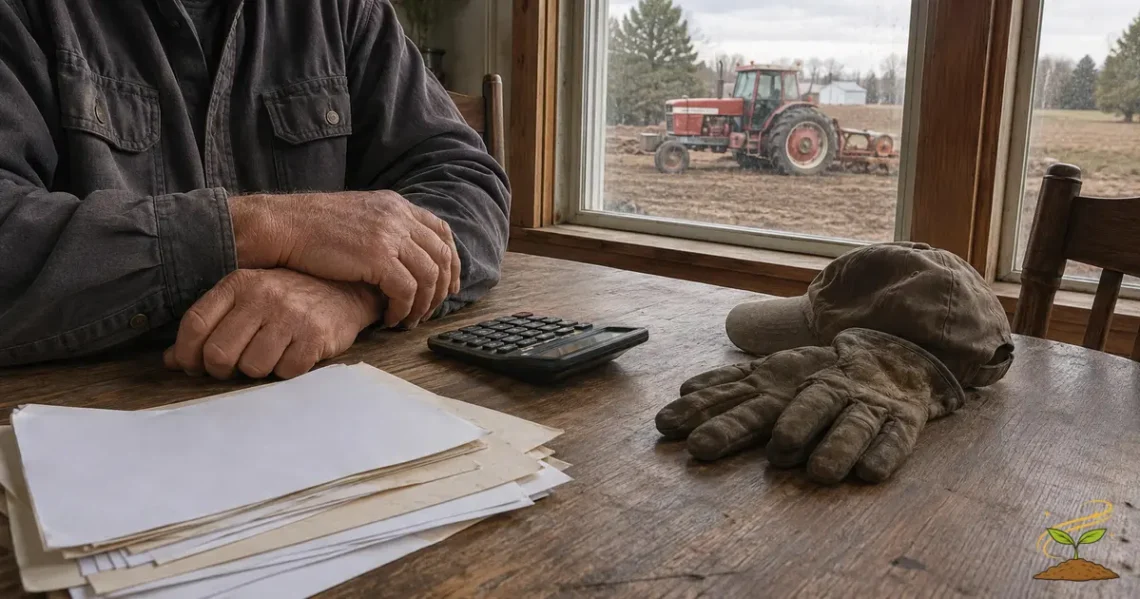
Farmers spend money long before they know whether they will make any money back. They pay for seed, feed, fuel, fertilizer, equipment, repairs, insurance, land, labor, storage, and transportation. Many also borrow money just to get through the growing season. Those bills still have to be paid if there is a drought, too much rain, a disease outbreak, a broken piece of equipment, or a sudden drop in market prices.
Stop and really think about that. What other business has to spend that much money while having so little control over the final outcome? The USDA expects farm production expenses to reach approximately $477.7 billion in 2026, and farm debt continues to rise. Behind those enormous numbers are real people trying to hold on to their land and make it through another year.
I know many farmers want to take better care of their soil. They want to use fewer chemicals, protect their animals, grow better food, and leave healthy land behind for the next generation. But wanting to change and being able to afford that change are two very different things.
What Choice Do They Really Have?
It is easy to stand outside of farming and tell farmers what they should do. Stop spraying. Plant cover crops. Rotate animals. Grow something different. Sell directly to the public. Switch to regenerative agriculture. I want to see those changes too, but farmers cannot simply flip a switch and start over.
Different farming methods may require new equipment, more labor, additional education, and several years for the land to recover and become productive in a different way. Meanwhile, the bank still wants its payment, the insurance company still has its requirements, the family still needs an income, and the farm still has to survive. That is the part we forget when we tell farmers how easily they should be able to change.
As I shared in Farming Against the Grain, farmers who choose a different path are not just changing a few farming practices. They may be risking everything they have worked to build. Sometimes farmers keep doing what they have always done because the system has made every other choice feel too dangerous.
Farmers Are Caught in the Middle
Farmers usually do not set the price of the things they need. Someone else sets the price of the seed, fertilizer, fuel, feed, machinery, and chemicals. Then, when it is time to sell what they have grown or raised, farmers often do not control that price either. Someone else decides what their crops, milk, animals, or other products are worth.
How in the world is a farmer supposed to stay independent when other people control the costs going in and the money coming back out? The farmer carries the debt, does the work, worries about the weather, and takes the risk. Yet the companies supplying the farm and buying its products may hold far more power over the final outcome.
We also have fewer companies controlling larger parts of agriculture. USDA research found that just two companies accounted for 72 percent of planted corn acres and 66 percent of planted soybean acres in the United States during 2018–2020. Two companies controlling that much of the market should concern all of us.
When only a few companies control the seed, fertilizer, processing, or distribution, farmers have fewer places to go and fewer choices to make. The farmer carries the responsibility while someone else controls more and more of the system. Then we still call the farmer independent.
The Rules Do Not Always Fit Real Life
There are farm programs that help people through disasters and terrible growing years. Crop insurance and other assistance can make the difference between surviving and losing everything. But some programs also come with rules that influence what farmers grow, how they farm, and which choices are considered financially safe.
A farmer may want to grow several different crops, but financing may be easier for a familiar commodity crop. A farmer may want to sell food directly to local families but have nowhere nearby to process, store, or distribute it. Smaller farms may face paperwork and regulations that are much easier for a large operation with employees and office staff to handle.
The people writing the rules are not always the people trying to work the land and pay the bills. I am not saying we should throw out every regulation or every farm program. I am saying we need to ask a very simple question: Are we helping farmers become stronger and more independent, or are we only helping them remain stuck in the same system for one more year?
We Are Losing Farms
USDA estimates that the United States lost 15,000 farms between 2024 and 2025. That is 15,000 farms in one year. When a farm disappears, we lose more than a business. We can lose generations of knowledge, productive land, local relationships, and another piece of our ability to feed ourselves.
We also need to understand that national farm income numbers do not tell the whole story. Large operations and government payments are included in those totals. Meanwhile, USDA forecasts that the median income earned from farming by farm households will remain negative for both 2025 and 2026. Many farm families rely on jobs away from the farm to support their households and keep the farm going.
These people are not failing because they refuse to work. Farmers are some of the hardest-working people in this country. They are struggling because hard work is not always enough when the system surrounding them keeps taking away their choices.
This Is Our Problem Too
We cannot blame farmers for all the problems in our food system while expecting them to absorb every cost of fixing it. Farmers did not build this system alone, and they cannot change it alone.
We have been trained to look for the cheapest food we can find. I understand that because families have budgets, and food prices are already hurting people. But cheap food always costs someone something. The farmer may pay through lower prices. The soil may pay through depletion and chemical damage. Animals may pay through poor conditions. We may pay later through our health, and the next generation may pay when farms and good land are gone.
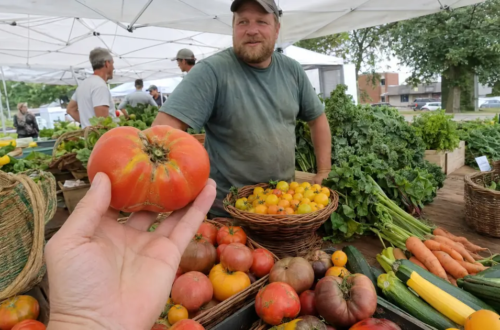
Supporting farmers does not mean we have to buy everything directly from a farm or completely change the way we eat overnight. We can start small by buying one or two things from a local farmer, visiting a farmers market, asking where our food comes from, or joining a community-supported agriculture program if it works for our family. We can look for local meat, eggs, milk, or produce when we shop. Most importantly, we can get to know the people growing food in our area.
As I said in Food Freedom Starts With Soil, food freedom begins with healthy land and strong local food systems. But we cannot have either one without farmers who can afford to keep farming.
We Need to Stand With Farmers
Farmers need fair prices, practical choices, and access to land, processing, and local markets. They need real help when they want to improve their soil or change the way they farm. They also need people to understand what they are up against instead of blaming them for a system they did not create.
Why farmers feel trapped matters because their future is tied to our future. Their land grows our food. Their choices affect our health. Their survival affects whether our communities can continue to feed themselves. If we want farmers to protect the land, we need to help create a system that protects the farmer too.
Share this with someone who cares about farmers, food, and the future of our land. Then find one way to support a local farmer in your own community. Every small step helps create the kind of food system we say we want.
With love and truth,
—Donna 💚
Sources & Further Reading
- USDA Economic Research Service — Farm Sector Income Forecast
https://www.ers.usda.gov/topics/farm-economy/farm-sector-income-finances/farm-sector-income-forecast - USDA Economic Research Service — Farm Household Income Forecast
https://www.ers.usda.gov/topics/farm-economy/farm-household-well-being/farm-household-income-forecast - USDA National Agricultural Statistics Service — Farms and Land in Farms: 2025 Summary
https://www.nass.usda.gov/Publications/Todays_Reports/reports/fnlo0226.pdf - USDA Economic Research Service — Expanded Intellectual Property Protections for Crop Seeds Increase Innovation and Market Power for Companies
https://www.ers.usda.gov/amber-waves/2023/august/expanded-intellectual-property-protections-for-crop-seeds-increase-innovation-and-market-power-for-companies - Purdue University — Rising Farm Debt and Financial Stress
https://ag.purdue.edu/commercialag/home/resource/2026/02/rising-farm-debt-and-financial-stress/