Most of us already know many of the basic things our bodies need. We know real food matters. We know sleep matters. We know we need movement, clean water, fewer chemicals, and some peace in our lives. Yet knowing these things and living them consistently can feel worlds apart.
That does not mean we are lazy, weak, or incapable of change. We are trying to build healthy lives in a world that constantly encourages unhealthy habits. Processed food is convenient and affordable. Screens are designed to keep our attention. Exhaustion is treated like a badge of honor. We are surrounded by messages telling us to move faster, consume more, and ignore what our bodies are saying until something goes wrong.
Then, when we do not feel well, we are made to believe the problem is entirely ours.
I do not accept that.
But health sovereignty in daily life also requires us to look honestly at what we are repeating. We may not have created the world working against our health, but we still have power over many of the choices we make within it. The moment we recognize a habit that is quietly holding us back, we have an opportunity to take some of that power back.
We Have Been Trained to Ignore the Basics
Many unhealthy habits do not look unhealthy at first. Some of them look responsible.
We research another supplement. Save another video. Follow another expert. Make another list. Wait for the perfect plan. Promise ourselves we will begin when life becomes less complicated.
Meanwhile, the simple things we already know could help us remain undone.
There is an entire industry built around keeping us searching for the next answer. We are constantly presented with new diets, new products, new warnings, and new promises. Some of that information is valuable, but much of it leaves people overwhelmed and questioning every choice they make.
Confused people are easier to sell to.
When we no longer trust ourselves, we become dependent upon whoever sounds the most certain. We start believing we need an expert’s permission before we can make even the most basic decision about our own health.
Education should make us stronger and more capable. It should help us ask better questions, recognize patterns, and understand what our bodies are communicating. It should not leave us frightened to act without someone else telling us what to do.
At some point, we have to close the tabs, quiet the outside voices, and begin using what we already know.
Trying to Change Everything Can Keep Us Stuck
One of the easiest ways to stop ourselves from making progress is to attempt a complete life overhaul overnight.
We throw out everything in the pantry, buy a shelf full of supplements, plan a perfect morning routine, promise to exercise every day, and expect ourselves to maintain all of it immediately. We begin with determination, but the plan is so demanding that it cannot survive an ordinary week.
Then we blame ourselves when it falls apart.
That is not always a failure of discipline. Sometimes the plan was unrealistic from the beginning.
Real change does not have to be dramatic to matter. Drinking more water matters. Preparing one more meal at home matters. Walking for ten minutes matters. Turning off the phone and going to bed matters. Reading a label before buying something matters.
These choices may seem small, especially when we are surrounded by people promising enormous results from complicated programs. But small choices repeated consistently can change the direction of our lives. We do not have to fix everything today. We need to begin somewhere we can continue.
Motivation Will Not Always Show Up
Another habit that quietly holds us back is waiting until we feel motivated.
Motivation feels wonderful when it arrives, but it is unreliable. It changes with our mood, energy, schedule, stress, and circumstances. If we only care for ourselves when we feel inspired, our health will always be placed at the mercy of how the day unfolds.
There will be mornings when we do not feel like taking a walk. Evenings when cooking feels like too much trouble. Days when we are tired of reading labels, asking questions, and trying to make better choices in a world filled with unhealthy ones.
Those are the days when a small, familiar routine becomes valuable.
I have no doubt that the ordinary choices we repeat matter more than the impressive choices we make once. A simple action we can continue is more powerful than a perfect routine we dread.
We do not need to feel excited about every healthy choice. Sometimes we simply need to remember why the choice matters.
Make the Better Choice Easier to Reach
We often arrange our lives in ways that make unhealthy habits easy and supportive habits inconvenient. Then we criticize ourselves for following the easiest path.
The phone is beside the bed. The walking shoes are buried in a closet. The healthier food is unwashed and hidden in the back of the refrigerator, while the packaged food is ready to grab. We rely on willpower to overcome the same obstacles every day.
Our surroundings influence our behavior more than we may realize. That is not weakness. It is part of being human.
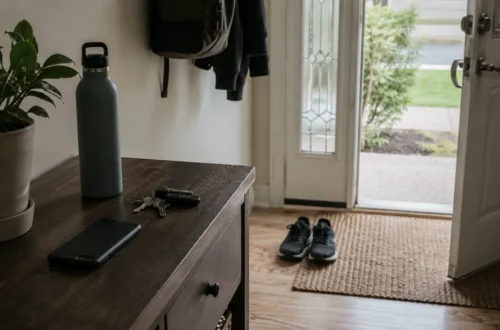
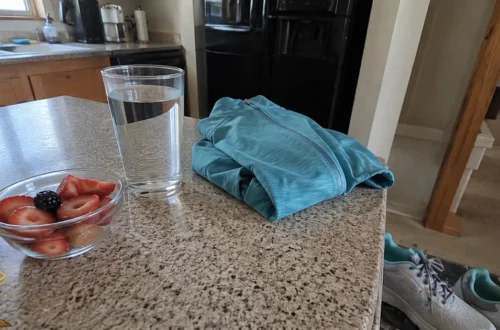
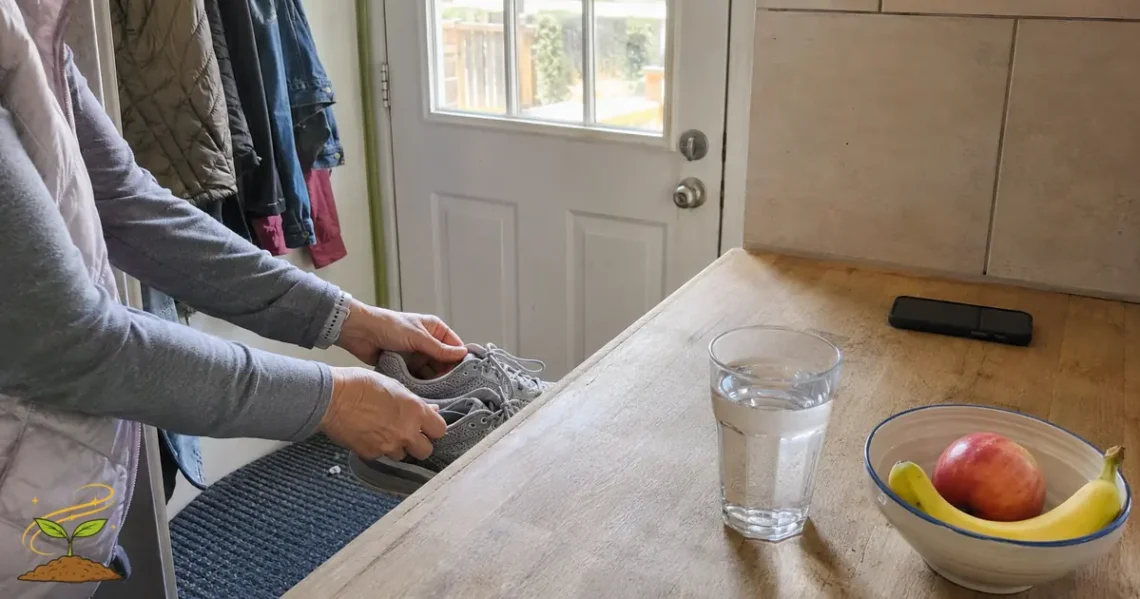
We can use that knowledge to support ourselves. Put the water where you will see it. Wash produce when you bring it home. Keep your walking shoes near the door. Place supplements beside something you already use. Charge the phone outside the bedroom. Prepare one simple meal before the week becomes busy.
None of these actions is revolutionary by itself. But each one removes an excuse, reduces a decision, and makes a supportive choice easier to repeat.
This is where healthy discipline and personal boundaries become important. Discipline is not punishment. It is protecting what matters before the pressure and distractions of the day take over.
One Hard Day Does Not Erase Your Progress
We have also been taught to approach health as if it were a test we either pass or fail.
We miss one walk, eat something we had planned to avoid, stay up too late, or forget the routine we were building. Suddenly, we tell ourselves we have ruined everything. We decide to start over Monday, next month, or after life settles down.
That all-or-nothing belief can hold us back far more than the original choice.
One hard day is not failure. One imperfect choice does not erase every good choice that came before it. You do not need permission to begin again, and you do not need a special date on the calendar.
The next choice is always available.
Our bodies do not require perfection from us. They need attention, nourishment, patience, and a willingness to listen. Real life will interrupt even the best routine. The goal is not to create a flawless record. The goal is to stop turning one difficult moment into a reason to abandon ourselves.
Take Back One Choice
You do not have to identify and correct every unhealthy habit today. Choose one pattern that you know has been making your life harder.
Maybe you are waiting for motivation. Maybe you are researching without ever acting. Maybe you are trying to change too much at once. Maybe you give up whenever you cannot do something perfectly. Or perhaps you have made the choices you want to change so inconvenient that they rarely happen.
Look at that pattern honestly, but do not turn it into another reason to attack yourself. Awareness is not blame. Awareness is power.
Then choose one action small enough to repeat. Make it visible. Make it convenient. Connect it to something you already do. Decide what the simplest version will look like on a difficult day.
We are living in a world that benefits when we remain exhausted, distracted, confused, and disconnected from our own bodies. Every time we make a conscious choice that supports our health, we push back against that conditioning.
You do not need another perfect plan. You need to recognize what has been quietly working against you and begin reclaiming one choice at a time.
That is how we stop handing our power away. That is how we begin taking care of ourselves again.
If this helped you recognize something that has been quietly holding you back, please share it with someone who needs the reminder that progress does not require perfection.
New here? Explore more MAHA Monday conversations about health, awareness, and reclaiming your everyday choices.
With love and truth,
—Donna 💚
Sources & Further Reading
- Healthy Habits That Last: Psychology and Environments for Sustainable Change
- Building Good Health Habits, One Small Step at a Time
- Supporting Sustainable Health Behavior Change
- Small Changes Matter: Five Tips for a Sustainable, Healthy Lifestyle
- Small Steps to Lasting Change: Achieving Your Goals with Daily Habits