I believe this is one of the biggest quiet deceptions of modern life, and it hides in plain sight every single day. We walk into a store, we see rows of food that all look similar, all packaged neatly, all labeled in ways that suggest nourishment, and we assume we are choosing between equals when in reality we are not even in the same category. I cannot ignore how many people are eating consistently, trying their best, and still feeling depleted, inflamed, and confused about why their bodies are not responding the way they expected. The truth is, food is no longer just food, and once you begin to see that, everything starts to shift.
Why Food That Looks the Same Can Affect You Differently
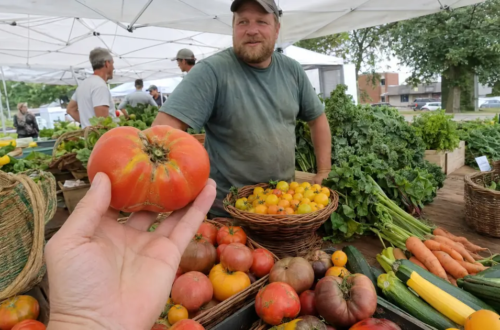
I have seen how two people can eat what appears to be the exact same meal, and yet their bodies respond in completely different ways, and it is not always about the person, it is often about the source. Food today is grown in drastically different conditions, handled through vastly different systems, and processed in ways that can either preserve or strip away what your body actually needs. What looks identical on the outside can be completely different on a cellular level, and that difference is what your body is reacting to, whether you realize it or not. That is why one piece of produce can leave you feeling satisfied and steady while another, even if it looks beautiful, feels strangely empty.
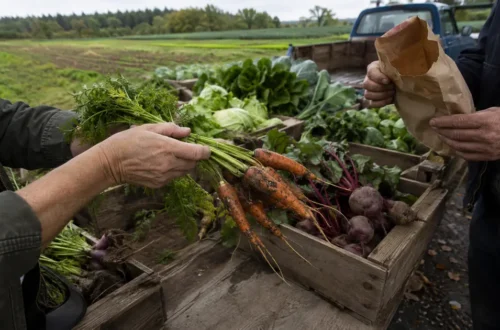
When food is grown in depleted soil, sprayed heavily, harvested early, and shipped long distances, it may still fill your stomach, but that does not mean it truly nourishes you. On the other hand, food grown in living soil, allowed to mature naturally, and handled with more care carries a very different nutrient profile and a very different effect in the body. This is where the conversation has to go deeper than labels and appearances. If we only judge food by how polished it looks, we miss the deeper truth that the body recognizes quality long before the mind catches up.
What Shapes the Quality of the Food on Your Plate
I believe we have been trained to focus on calories, protein grams, and marketing language while ignoring the deeper story behind what we are eating. Food quality is shaped long before it reaches your plate, and that story begins in the soil, continues through farming practices, and ends in how the food is processed, packaged, transported, and stored. Soil health matters because it determines whether a crop is drawing from a rich mineral environment or from land that has been stripped, overworked, and chemically propped up. Most people are never taught to think about food this way, but once you do, it becomes impossible not to see it.
The same is true for animal foods. How an animal is raised, what it is fed, how much stress it lives under, and whether it is part of a natural system or an industrial one all affect the quality of what ends up on your plate. Processing adds another layer, because even ingredients that begin with promise can be altered into something far less supportive by the time they reach the shelf. This is where the gap between “edible” and “nourishing” becomes impossible to ignore. If you have already started tracing the deeper system behind what you eat, you can see that even the food you eat has a story, and that story matters more than most people realize.
Why Nutrient Density Matters More Than Just Quantity
I refuse to accept the idea that more food automatically means better nourishment, because I have seen too many people eat plenty and still feel as though something is missing. Nutrient density is what actually satisfies the body, not just volume, not just calories, and not just the feeling of having eaten. When the body does not receive enough minerals, vitamins, healthy fats, amino acids, and protective compounds, it often keeps asking for more. That can look like cravings, fatigue, brain fog, irritability, or the strange experience of eating enough and still not feeling grounded.
This is one reason people can be overfed and undernourished at the same time. Food can be abundant and still be weak. It can be convenient and still leave the body scrambling. On the other hand, food that comes from healthier systems often creates a different kind of satiety, one that feels steadier and deeper because the body is finally receiving what it has been asking for. When you begin to understand that, you also start hearing the signals your body has been sending all along, because your body is talking — are you listening is not just a phrase, it is a reality most people have been taught to dismiss.
How to Start Choosing Better Food Without Losing Your Mind
I know this can feel overwhelming at first, especially once you realize how many layers sit between the farm and your fork, but I believe the goal is not perfection. The goal is awareness, then better choices, then more consistency over time. You do not have to change everything overnight to begin changing your health. In fact, some of the most powerful shifts begin with a few simple decisions made more intentionally and repeated more often.
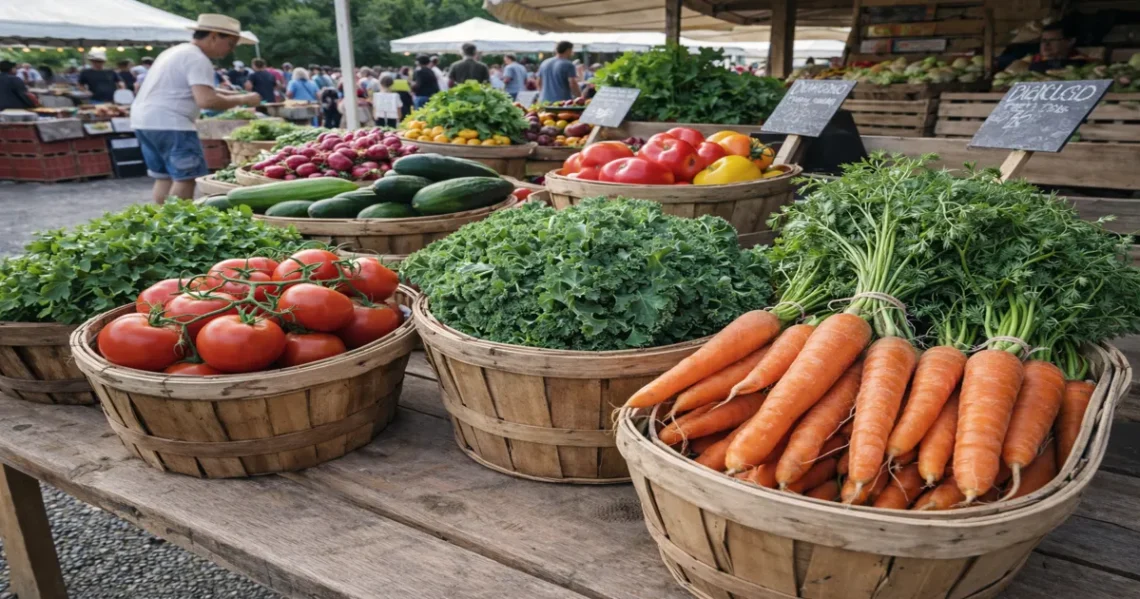
Start by paying attention to how food makes you feel, not just while you are eating it, but later that day and even the next morning. Notice which foods leave you calm, steady, and satisfied, and which leave you foggy, hungry again, inflamed, or strangely depleted. Look for opportunities to buy food that is less processed, more local when possible, and grown in ways that respect soil, animals, and the natural order of things. Even replacing a few staples with better versions can change the conversation happening inside your body. Your body knows the difference, even when the label tries to convince you otherwise, and learning to trust that may be one of the most important forms of wisdom we can reclaim.
With love and truth,
—Donna 💚
Sources & Further Reading
1. How Healthy Food Starts with Healthy Soil
https://farmland.org/blog/how-healthy-food-starts-with-healthy-soil
2. Healthy Eating 101: Nutrients, Macros, Tips, and More
https://www.healthline.com/nutrition/how-to-eat-healthy-guide
3. Looking To Stay Fuller, Longer? Try These Healthy, Filling Foods
https://health.clevelandclinic.org/healthy-and-filling-foods
4. Soil Health and Nutrient Density: Preliminary Comparison of Regenerative and Conventional Farming
https://pmc.ncbi.nlm.nih.gov/articles/PMC8801175/
5. From Soil to Health: Advancing Regenerative Agriculture for Improved Food Quality and Nutrition Security
https://pmc.ncbi.nlm.nih.gov/articles/PMC12576041/