I think most of us were taught to look at food from the wrong end of the story. We look at the grocery shelf, the label, the price, the calories, the protein, the sugar, the carbs, and all the little numbers someone decided mattered most. And yes, some of that information can be useful. But I believe we miss something much deeper when we only look at food after it has already been harvested, boxed, shipped, processed, or packaged. Food quality does not begin at the store. It begins in the soil.
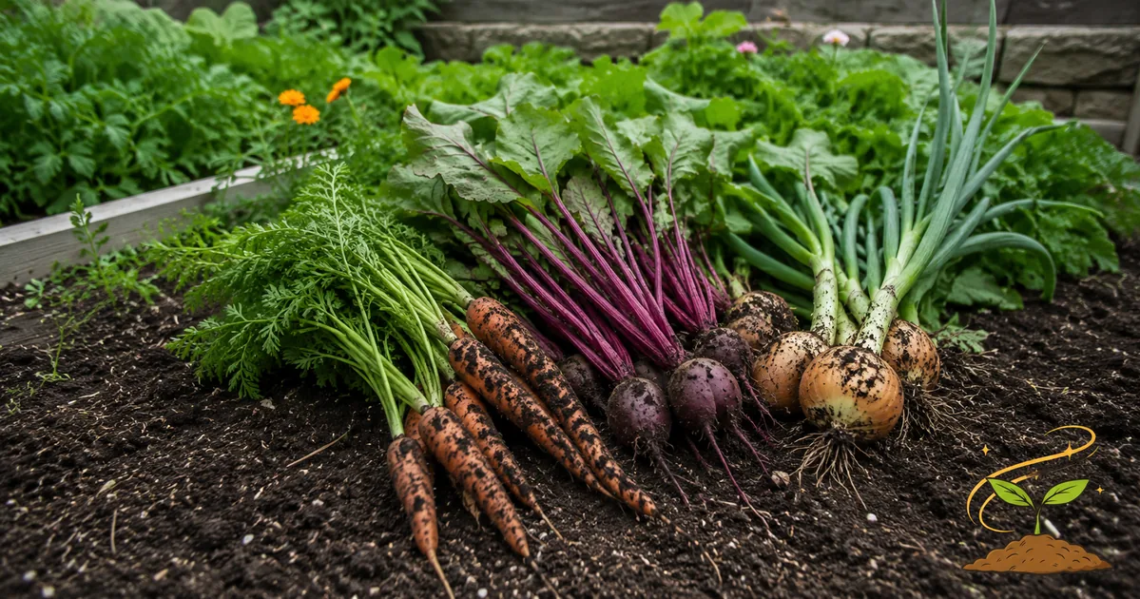
That may sound almost too simple, but I don’t think it is simple at all. Healthy soil is not just a place where a plant sits while it grows. It is a living environment full of microbes, minerals, roots, fungi, organic matter, moisture, air, and all kinds of quiet relationships happening below the surface. When that underground world is alive and balanced, the plant has access to more than just the basic ingredients it needs to survive. It has access to a whole living system that helps it become stronger, more resilient, and more nourishing.
Why Food Quality Begins Before It Reaches Your Plate
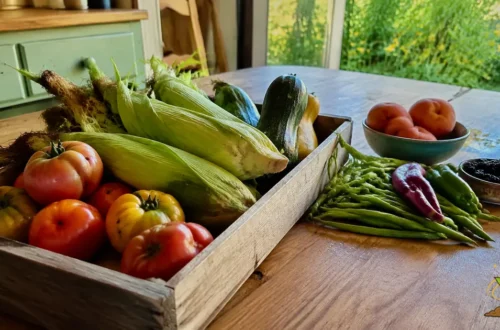
When people say, “Just eat more fruits and vegetables,” I understand the heart behind that advice. Most of us do need more real food and less processed food. But I also think we need to be honest enough to ask another question: what kind of fruits and vegetables are we talking about? A tomato grown in depleted soil, rushed through a system, picked too early, shipped across the country, and sitting under store lights for days is not the same as a tomato grown in living soil, picked ripe, and eaten close to the source. They may both be called tomatoes, but that does not mean they carry the same life.
That is why I believe the “food is food” idea has done so much damage. We have been trained to think in categories instead of quality. Apple, carrot, lettuce, beef, egg, milk. We name the item and assume we understand it. But food carries the condition of the place it came from, and I talked about this same pattern in why soil is supposed to be alive, because once you see food as part of a living chain, it becomes harder to separate the body from the land that fed it.
The health of the soil shapes the health of the plant, and the health of the plant shapes what eventually reaches your body. That does not mean soil explains every health issue or every difference in food quality. I’m not interested in turning this into another oversimplified answer. But I do believe we have ignored the foundation for far too long. If the soil is exhausted, compacted, stripped, sprayed, and treated like a lifeless production surface, then we should not be shocked when the food grown from it feels less nourishing than it should.
What Living Soil Does That Chemicals Cannot Replace
Modern agriculture has become very good at making plants grow. That is not the same thing as growing deeply nourishing food. A plant can be pushed along with synthetic fertilizers and still be missing the biological relationships that help it pull minerals, trace elements, and protective compounds from the soil. It can look good enough to sell and still come from a weakened system. I think this is where people get confused, because our eyes can only tell us so much.
Living soil does quiet work that a bag of chemicals cannot fully replace. Microbes help break down organic matter. Fungi connect with plant roots. Roots release sugars that feed soil organisms. Those organisms help cycle nutrients back to the plant. It is a relationship, not a machine. And when farming practices damage that relationship over time, the plant may still grow, but the food can become less complex than it was meant to be.
This is one reason regenerative practices matter so much. Compost, cover crops, crop diversity, reduced tillage, rotational grazing, and keeping living roots in the ground are not just pretty farming ideas. They are ways of rebuilding the biological life that makes soil function. I talked about this more in the farming practices that help restore the land, because healing the soil is not only about protecting farmland. It is about protecting the quality of the food that comes from that farmland.
Why Nutrient Density Is About More Than Calories
We have been living in a food system that talks a lot about calories but not nearly enough about nourishment. Calories tell us energy is present. They do not tell us whether the food is rich in minerals, phytochemicals, antioxidants, fatty acids, enzymes, or all the subtle compounds that help the body function well. You can be fed and still be undernourished. I think a lot of people feel that in their own bodies, even if they don’t have the language for it yet.
This is where nutrient density matters. Nutrient-dense food gives the body more of what it can actually use. It is not just about filling the stomach. It is about supporting energy, digestion, immune resilience, repair, mood, hormones, and the body’s ability to keep finding balance in a world that constantly pulls it off center. When food has been grown in a healthier biological system, it may offer more complexity than food grown only for speed, shelf life, uniformity, and yield.
And this is also why labels can only take us so far. Organic matters. Regenerative matters. Local matters. But the deeper question is always: what was happening in the soil? Was the land being fed or drained? Were the microbes being protected or disrupted? Was the farmer building life or forcing output? If you have already read why not all food is created equal, you know this is not about being fancy or perfect. It is about understanding that food quality has a history.
How Soil Health Becomes Human Health
I know it can feel strange at first to connect soil microbes with the human body, but I actually think it makes perfect sense. Your body is also an ecosystem. Your gut has its own microbial world. Your immune system, digestion, inflammation response, and nutrient absorption all depend on balance and communication. When we eat food grown from living systems, we are participating in that chain of life. When we eat food grown from depleted systems, we are still participating in the chain — but the chain is weaker.
I refuse to believe we can keep damaging the source of our nourishment and expect the human body to stay strong forever. That is not fear. That is just common sense. The body needs minerals. It needs real food. It needs diversity. It needs support. And when the food supply becomes less nourishing, people often end up trying to solve the problem downstream with more supplements, more cravings, more confusion, and more blame placed on their own bodies.
That is the part I want people to hear gently: your body is not stupid. If you feel like something is missing, there may be a reason. If you eat but do not feel nourished, there may be a reason. If you keep trying harder and still feel depleted, maybe the issue is not only your discipline or your willpower. Maybe we also need to look at the quality of what is being offered to us as food.
Small Ways to Choose Food With More Life In It
I’m not saying everyone has to overhaul their whole kitchen overnight. That kind of pressure helps almost no one. Most families are doing the best they can with the money, time, access, and information they have. But I do believe we can begin asking better questions, one small choice at a time. You do not have to do everything perfectly to move closer to food that carries more life.
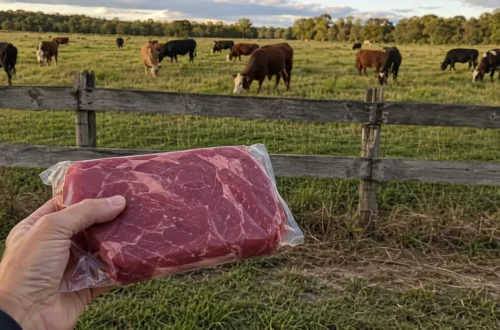
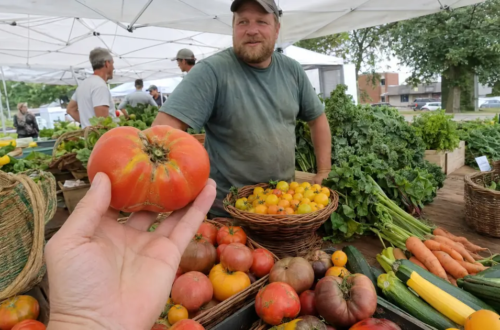
Start with one food you buy often. Maybe it is eggs, greens, berries, meat, milk, carrots, tomatoes, or apples. See if you can find a better source for just that one thing. Look for farmers who talk about soil health, compost, cover crops, grazing practices, organic matter, biodiversity, and regenerative methods. Visit a farmers market if you have one nearby. Ask questions. Pay attention to taste, freshness, color, smell, and how your body feels after eating food that has not been dragged through such a long, disconnected system.
And if you cannot access all of that right now, do not shame yourself. That is not what this is about. This is about awareness, not perfection. Choose real food where you can. Choose closer-to-the-source food where you can. Grow herbs in a pot if that is all you can do. Support a local grower once in a while if that is what fits. Every time you choose food with more life behind it, you are voting for a different kind of food system — one that remembers the soil, the farmer, the body, and the truth that nourishment starts long before it reaches the plate.
New here? You can explore more Farmland Friday posts about soil, food, farming practices, and why all of it matters to your health here.
With love and truth,
—Donna 💚
Sources & Further Reading
- How Healthy Food Starts with Healthy Soil
https://farmland.org/blog/how-healthy-food-starts-with-healthy-soil - From Soil to Health: Advancing Regenerative Agriculture for Improved Food Quality and Nutrition Security
https://www.frontiersin.org/journals/nutrition/articles/10.3389/fnut.2025.1638507/full - Better Foods From Better Soil
https://greencover.com/blogs/articles/better-foods-from-better-soil - Healthy Soils Produce More Nutrient Dense Food
https://www.organic-center.org/research/healthy-soils-produce-more-nutrient-dense-food - Soil Health and Nutrient Density: Beyond Organic vs. Conventional Farming
https://www.frontiersin.org/journals/sustainable-food-systems/articles/10.3389/fsufs.2021.699147/full