We have been taught to believe that our only role in the food system is to buy whatever appears on the shelf. We walk into the store, compare prices, read a few labels, fill the cart, and go home. Most of us were never encouraged to ask who grew that food, how it was produced, or what our purchase helps keep alive.
I believe we need to understand how our food choices shape farming, because every dollar we spend sends a message through the food system. It tells stores what to stock, companies what to produce, distributors what to demand, and farmers what they may be able to grow while still earning a living.
We have more power than we have been led to believe. One grocery trip may not change agriculture, but millions of families making the same choices week after week absolutely influence which farming systems are rewarded and which ones are allowed to disappear.
Every Food Dollar Supports a Kind of Farming
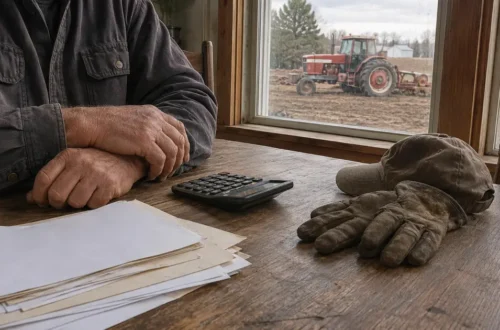
Farmers cannot continue producing food that no one will buy. They may want to protect their soil, raise animals more naturally, grow a wider variety of crops, and avoid unnecessary chemicals, but they still have bills to pay. Seed, equipment, feed, fencing, processing, transportation, labor, land, and taxes do not disappear because a farmer is trying to do the right thing.
When the system demands the largest possible quantity at the lowest possible price, it rewards scale, speed, uniformity, chemical dependence, monocropping, long supply chains, and corporate control. Farmers are pressured to produce more for less while families are pushed farther away from the people and practices behind their food.
That separation benefits the industrial food system. It is easier to sell us a package when we do not know the farmer. It is easier to impress us with words like “natural,” “wholesome,” and “farm fresh” when we cannot see the soil, the animals, or the fields.
We need to look past those marketing words and ask what they are hiding. A comforting label does not tell us whether the soil is being rebuilt, how heavily a crop was sprayed, whether animals lived on pasture, or whether the farmer received a fair price.
This is why I believe the actual farming practices matter more than an impressive label. If we want better food, we need to look beyond the front of the package and learn what our money is truly supporting.
Cheap Food Is Not Always Cheap
I know families are watching their grocery bills. Food prices are painful, and many people cannot afford to replace everything in their kitchens with a more expensive option. This is not about shaming anyone for doing the best they can with what they have. It is about understanding the system so we can make more informed choices whenever those choices are available to us.
We still need to tell the truth about cheap food. The price at the register may not include the damage caused by depleted soil, polluted water, chemical dependence, poor animal conditions, disappearing family farms, vulnerable supply chains, or rural communities losing their economic foundation.
A low price does not always mean a low cost. Sometimes it means the rest of the cost has been hidden from us.
Farmers who plant cover crops, rotate livestock, rebuild their soil, grow diverse crops, protect their water, or avoid the fastest industrial methods may need to charge more. When we understand what goes into producing food responsibly, the difference in price begins to make sense.
We are not only paying for a tomato, a dozen eggs, or a pound of meat. We are helping decide whether the farmer who produced it can continue caring for that land—or whether another independent farm will be forced to disappear.
Buying Directly Gives Farmers and Families More Freedom
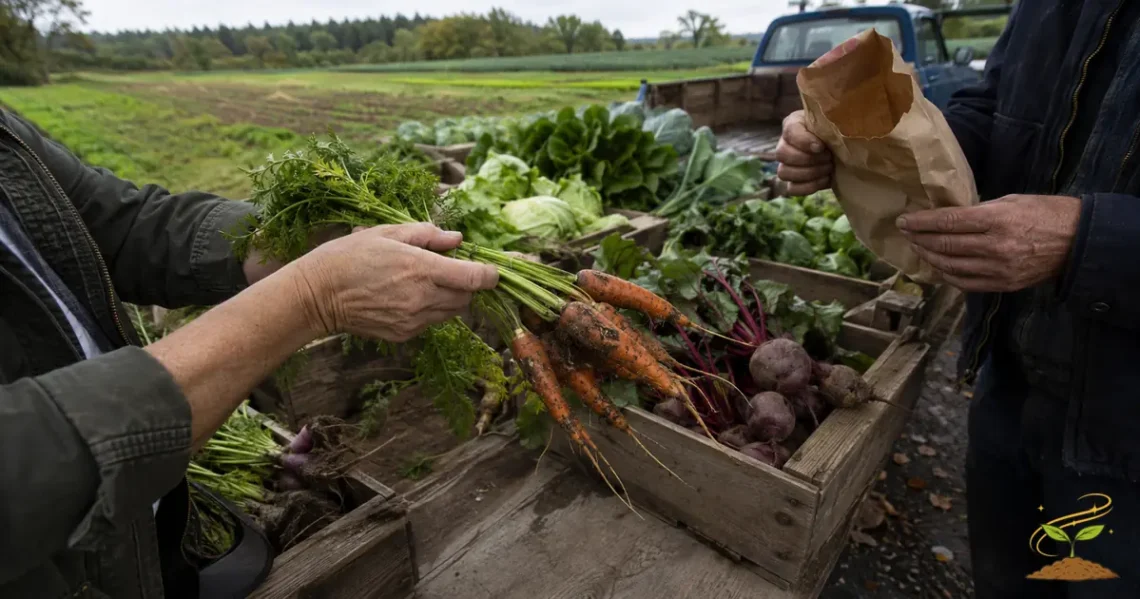
One of the most powerful things we can do is shorten the distance between ourselves and our food. Buying directly from a farmer can allow more of the food dollar to remain with the person who planted, raised, harvested, or produced it.
USDA data from the 2022 Census of Agriculture showed that 116,617 farms reported selling food directly to consumers, with those sales totaling more than $3.26 billion. But the number of farms participating in direct-to-consumer sales had declined since 2017.
That should concern all of us. People are buying directly, yet we are still losing farms. Once an independent farm is gone, it may never return. The land can be developed, swallowed by a larger operation, or priced beyond the reach of the next generation.
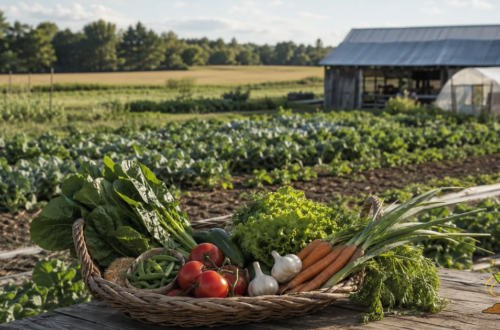
Farm stands, farmers markets, community-supported agriculture programs, buying clubs, local food hubs, and farm websites give farmers another path outside the largest corporate channels. They also give families something the industrial system cannot easily provide: a real relationship with the source of their food.
We can ask what the animals eat, whether they live on pasture, how the soil is cared for, which chemicals are used, and what is growing well that season. These are not unreasonable or confrontational questions. They are the questions of people who care about what they are feeding their families and what their purchases are helping support.
How Your Food Choices Shape Farming Without Demanding Perfection
You do not have to replace every item in your kitchen or double your grocery bill. You do not have to drive an hour to a farm every week or become an expert on every agricultural practice. Real change can begin with one food your family buys regularly.
Maybe you buy eggs from a nearby farm. Maybe you choose local produce while it is in season, purchase some of your meat directly from a farmer, join a CSA, or visit a farmers market twice a month. You might ask your grocery store to carry food from local growers or choose a company that clearly explains its farming standards instead of hiding behind vague claims.
Reducing food waste matters too. Using what we buy, freezing seasonal produce, planning meals around what we already have, and finding ways to use leftovers respects the land, water, energy, labor, and money that went into producing that food.
We do not need a handful of people doing everything perfectly. We need millions of people paying attention and making better choices whenever they can.
Those steady choices create demand. Demand tells stores and companies what customers value. More importantly, it gives farmers who are trying to care for the land a reason—and a market—to continue.
What We Support Has a Better Chance of Surviving
Our shopping choices are not the only force shaping agriculture. Corporate consolidation, government policy, land prices, debt, processing access, weather, and unfair contracts all affect what farmers can do. We should never pretend that individual families created these problems or can repair the entire system alone.
But we should not be convinced that our choices are meaningless either.
When customers continue showing up at a farm stand, that farmer has a stronger reason to keep planting. When families join a CSA, farmers receive money earlier in the season when seeds, supplies, and labor must be paid for. When shoppers ask for pasture-raised eggs or food grown with fewer chemicals, businesses learn that those practices matter to the people buying the food.
This is why food freedom begins with healthy soil and independent farms. A food system controlled entirely by distant corporations does not give families meaningful choice. Real food freedom requires farmers, regional processors, local markets, healthy land, and communities willing to protect them.
Your Grocery Cart Carries a Message
I do not want families carrying more guilt into the grocery store. I want them carrying more awareness. There is an enormous difference between blaming people for a broken system and helping them recognize the power they still have within it.
Ask one more question. Learn the name of one farmer. Buy one item closer to its source. Support one business that is honest about how its food is produced. Tell your local store that you want food from farms you can trust.
That is how our food choices shape farming. Not through fear, judgment, or impossible standards, but through steady decisions that tell the system what we value and refuse to let disappear.
Every purchase supports something. It may support an industrial system built on distance, volume, and corporate control, or it may help an independent farmer protect the soil, care for animals responsibly, grow real food, and remain on the land.
What we choose today helps decide what kind of farming—and what kind of food freedom—will still be here tomorrow.
Want to keep learning about the connection between soil, farming, food, and freedom? Explore more Farmland Friday articles from A Voice For Change, and share this with someone who wants independent farms to survive.
With love and truth,
—Donna 💚
Sources & Further Reading
- 2022 Census of Agriculture: Agricultural Census Shows Strong Growth in Direct Sales From Farms and Ranches — USDA Economic Research Service
https://www.ers.usda.gov/data-products/charts-of-note/108821 - Census of Agriculture Reveals the Promise of Regional Food Systems — National Sustainable Agriculture Coalition
https://sustainableagriculture.net/blog/census-of-agriculture-reveals-the-promise-of-regional-food-systems/ - Why Locally Sourced Food Matters — Chucktown Acres
https://www.chucktownacres.com/blog/why-locally-sourced-food-mattersnbsp - How Consumers Can Support Regenerative Agriculture Through Their Food Choices — Doudlah Farms
https://doudlahfarms.com/how-consumers-can-support-regenerative-agriculture-through-their-food-choices/ - Consumer Understanding of Regenerative Gains Massive Momentum — Kiss the Ground
https://kisstheground.com/consumer-understanding-of-regenerative-gains-massive-momentum/